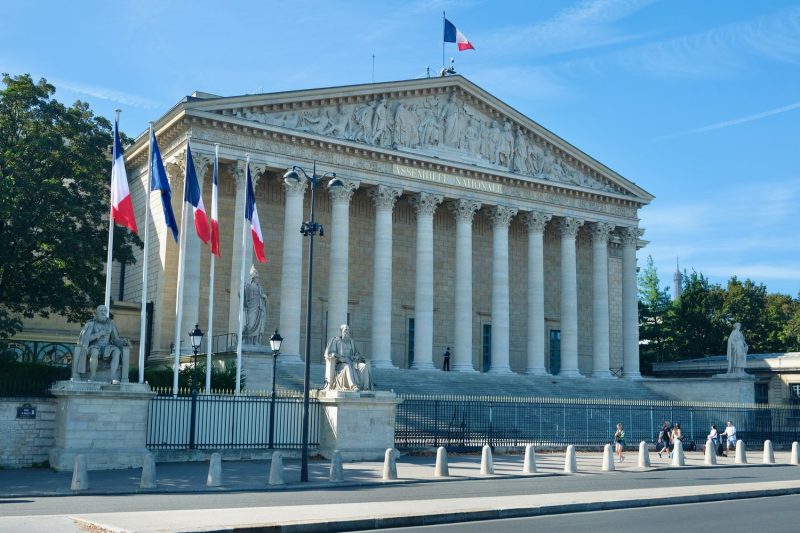
The Story Behind the Institut de France on the Seine River in Paris

Culture Travel may earn a commission through links on this website. As an Amazon Associate, we earn from qualifying purchases.
The Institut de France is a prominent cultural and academic institution located in Paris, situated along the banks of the Seine River. Its history can be traced back to the early 17th century when it was founded in 1795 during the French Revolution by merging several pre-existing academies and learned societies. The aim was to create a national institution to promote literature, science, and the arts.
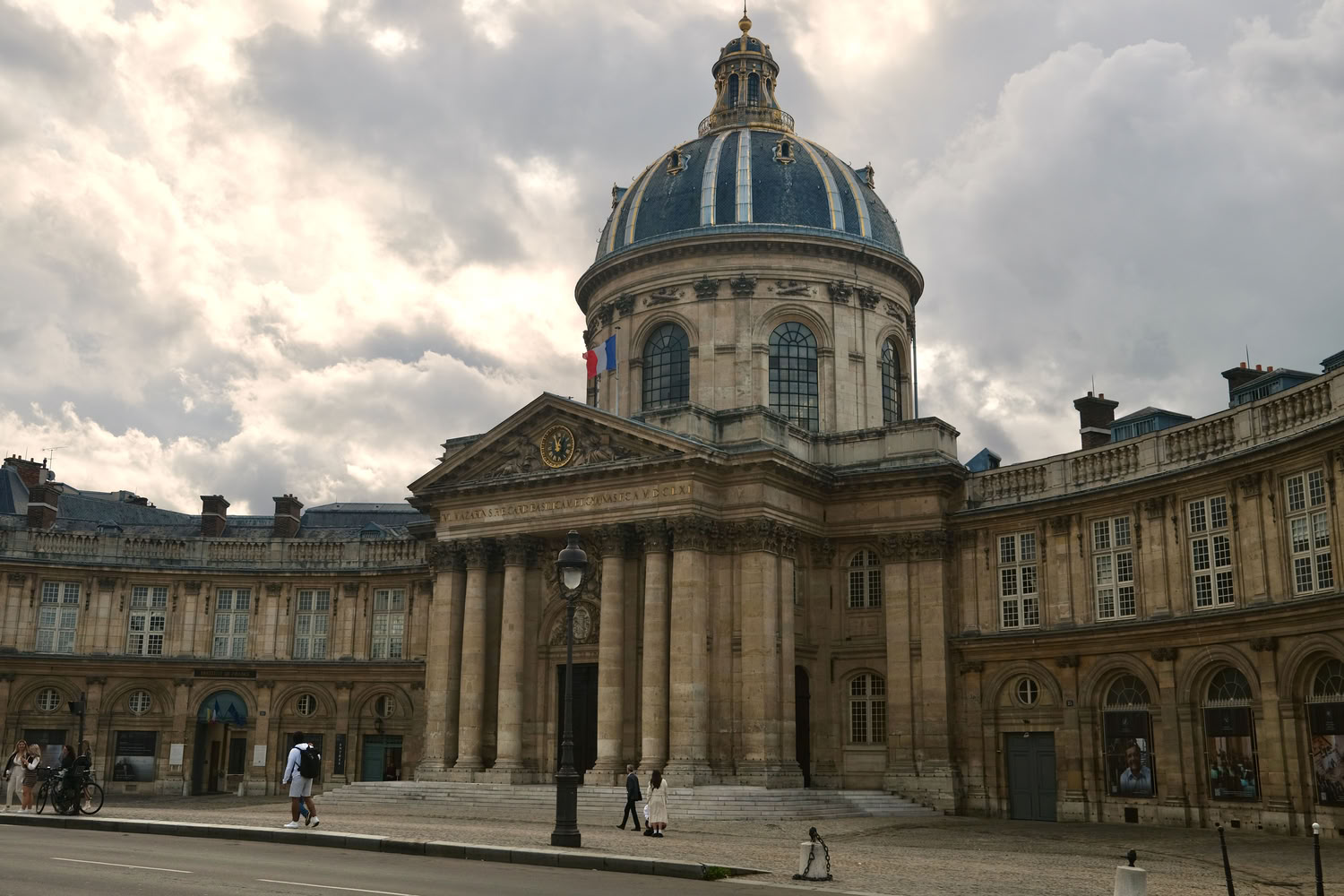
Académie Française
The most notable part of the Institut is the Académie Française, which was established in 1635 by Cardinal Richelieu. This academy is responsible for overseeing the French language and the body of literature in France, emphasizing the importance of language, grammar, and the promotion of French literary culture.
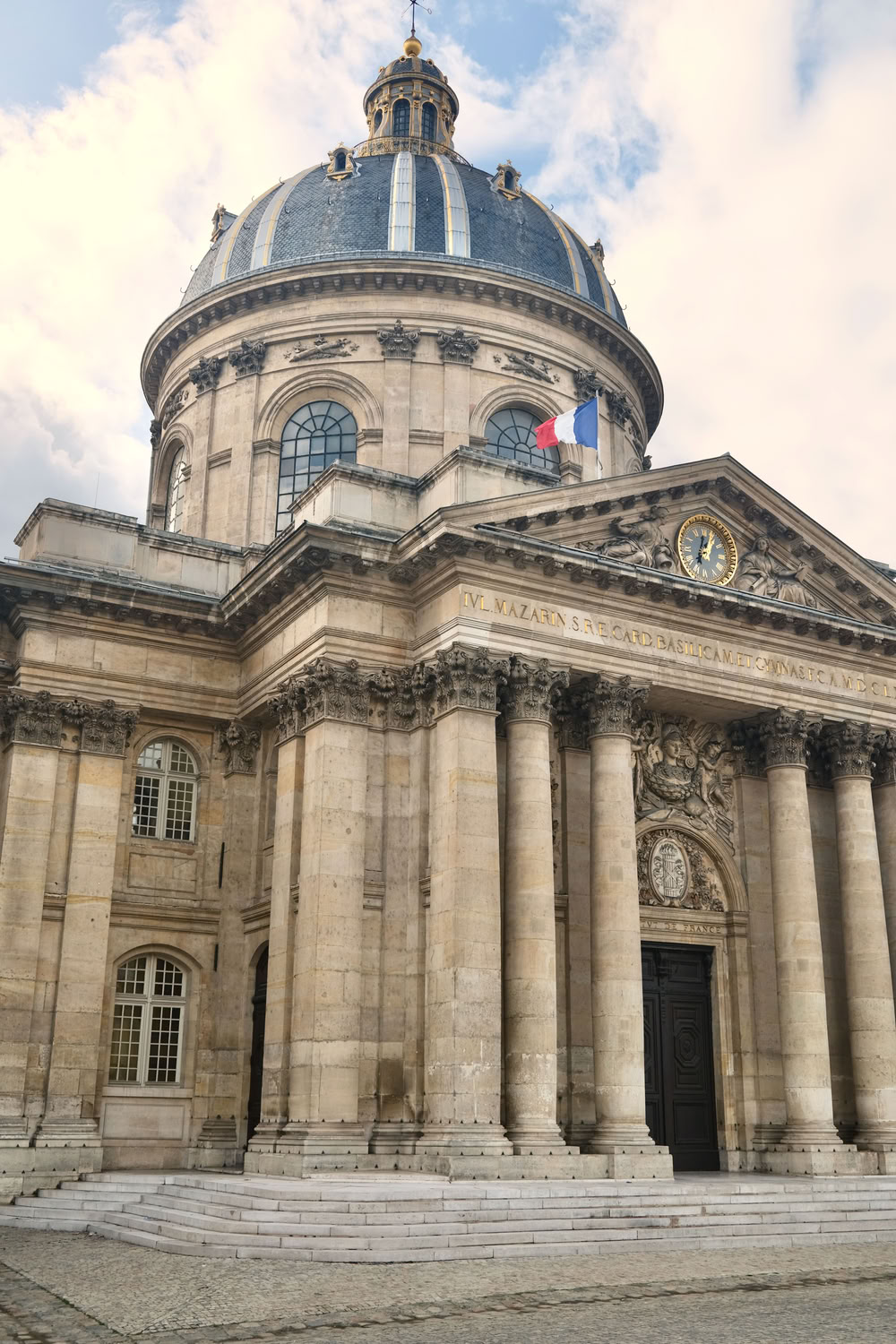
Palais de l’Institut
The building itself, the Palais de l’Institut, was constructed between 1667 and 1688 and was initially merged with the historic College des Quatre Nations, which was founded by the famous French statesman, Cardinal Mazarin. The architecture of the building is a classic representation of French Baroque style, with a striking dome that dominates the skyline and provides a picturesque view along the Seine.
Other key components of the Institut de France include the Académie des Sciences, Académie des Beaux-Arts, Académie des Inscriptions et Belles-Lettres, and the Académie des Technologies. Each of these institutions focuses on its respective fields, making the Institut de France a hub for intellectual and cultural discussion.
Mazarine Library
The Mazarine Library (Bibliothèque Mazarine) is France’s oldest public library. Cardinal Jules Mazarin (Richelieu’s successor and a major patron of the arts) created it in the mid-17th century as his personal collection. He opened it to the public and bequeathed it to the Collège des Quatre-Nations upon his death in 1661.
Today it holds over 600,000 volumes, including around 180,000 pre-1801 works, thousands of rare manuscripts, incunabula (early printed books), and exceptional historical collections. It’s both a heritage library and a working research library.
The setting is stunning: a long, elegant Grand Gallery with high ceilings, historic wood paneling, tall bookcases, chandeliers, and that classic old-world scholarly atmosphere (think a quieter, more intimate version of the library in Beauty and the Beast). Many visitors describe it as one of Paris’s most beautiful and peaceful hidden gems.
Over the centuries, the Institut de France has played a crucial role in the development of French cultural life and the advancement of knowledge, including Nobel Prize laureates among its members. It continues to be influential in contemporary debates in academia, literature, and the arts.
23 Quai de Conti, 75006 Paris, France