An Intellectual Guide to the Scholarly 5th Arrondissement of Paris

Culture Travel may earn a commission through links on this website. As an Amazon Associate, we earn from qualifying purchases.
The 5th arrondissement of Paris, also known as the Latin Quarter (Quartier Latin), is renowned for its rich history, academic institutions, and vibrant cultural scene. Its origins can be traced back to the Roman era, when it was established as a center of learning.
The name “Latin Quarter” originated from the medieval period when Latin was the language of instruction used by scholars and students at the local universities, particularly the University of Paris, founded in the 12th century.
One of the most significant historical sites in the 5th arrondissement is the Panthéon, originally built as a church dedicated to St. Genevieve in the 18th century but later converted into a mausoleum. It holds the remains of notable French figures such as Voltaire, Rousseau, and Marie Curie. The Montagne Sainte-Geneviève, upon which the Panthéon is located, has been a site of pilgrimage and learning since antiquity.
During the French Revolution, the Latin Quarter became a hotspot for revolutionary activities. Its streets were alive with the discussions and debates of philosophers, writers, and revolutionaries. The area continued to evolve through the 19th century and became associated with the bohemian lifestyle; cafes and bistros became gathering spots for artists and intellectuals.
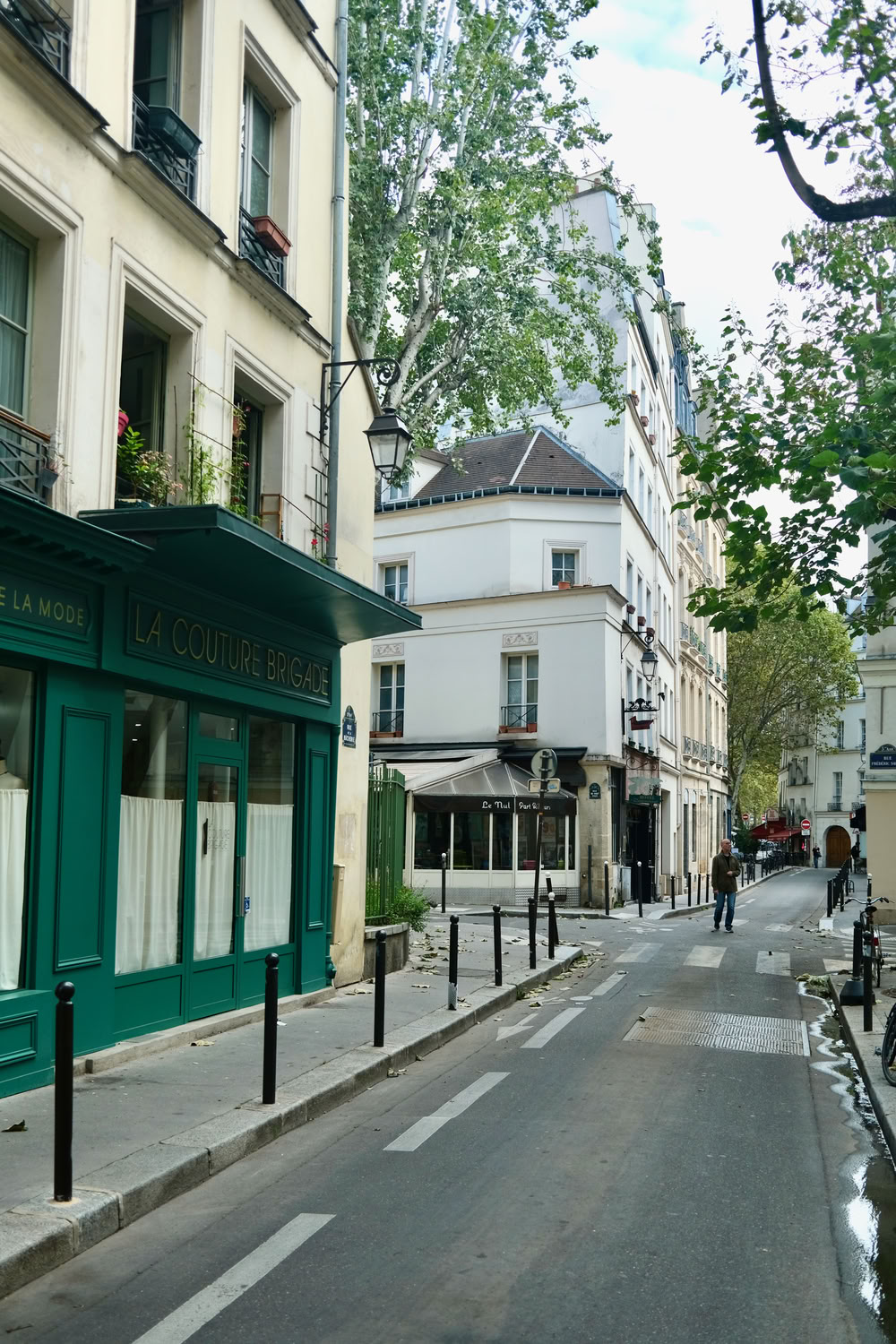
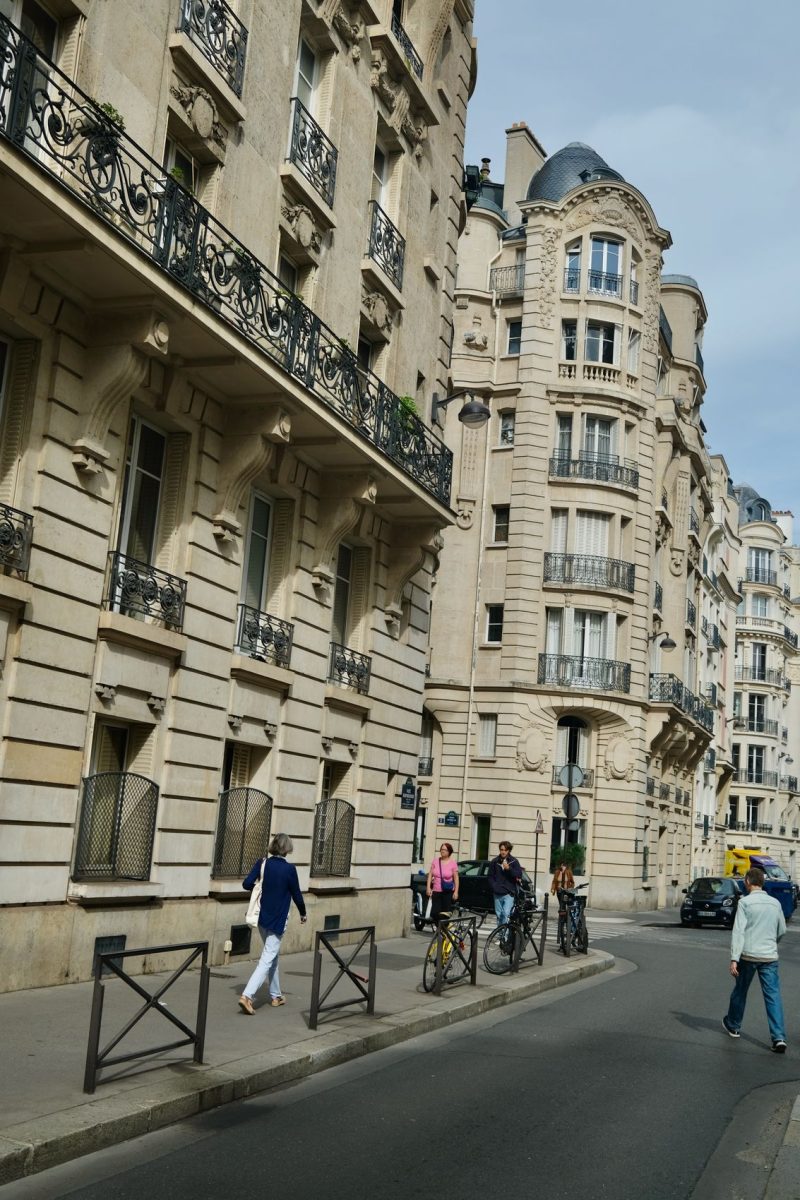
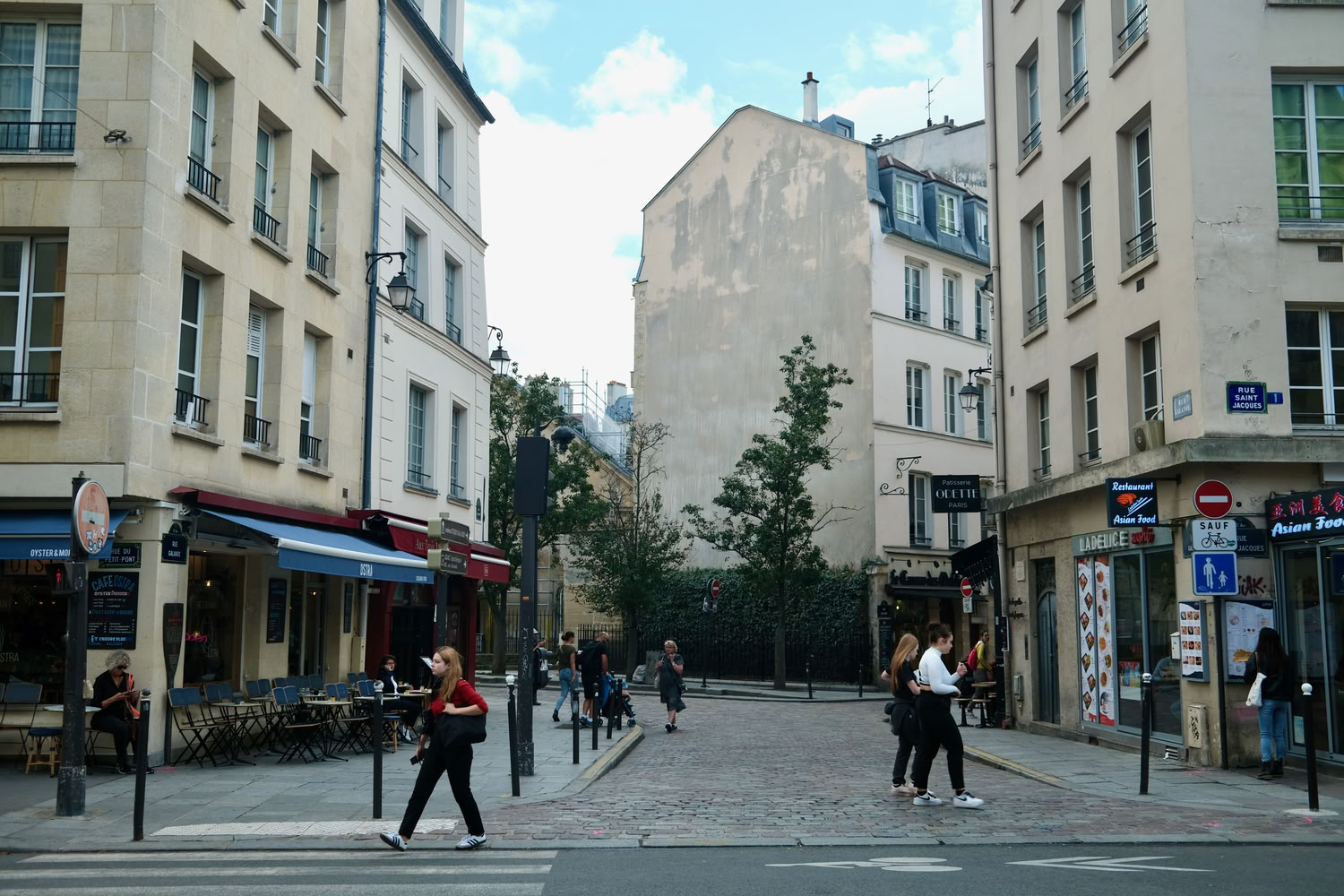
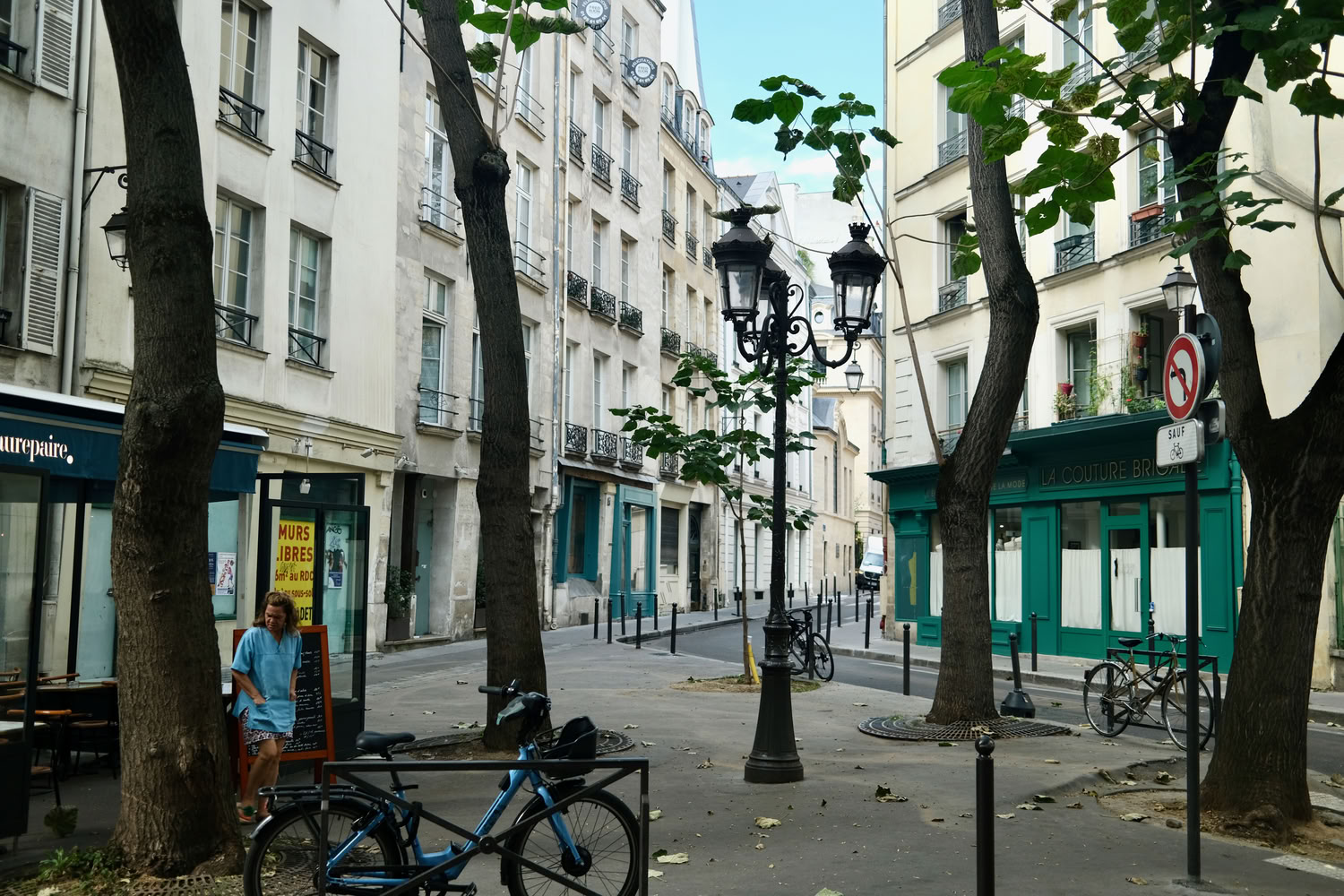
In addition to its historical significance, the 5th arrondissement is home to several prestigious institutions, such as the Sorbonne University and the Collège de France, cementing its reputation as a hub for higher education and intellectual discourse. The district features narrow streets filled with medieval architecture, making it a picturesque area of the city.
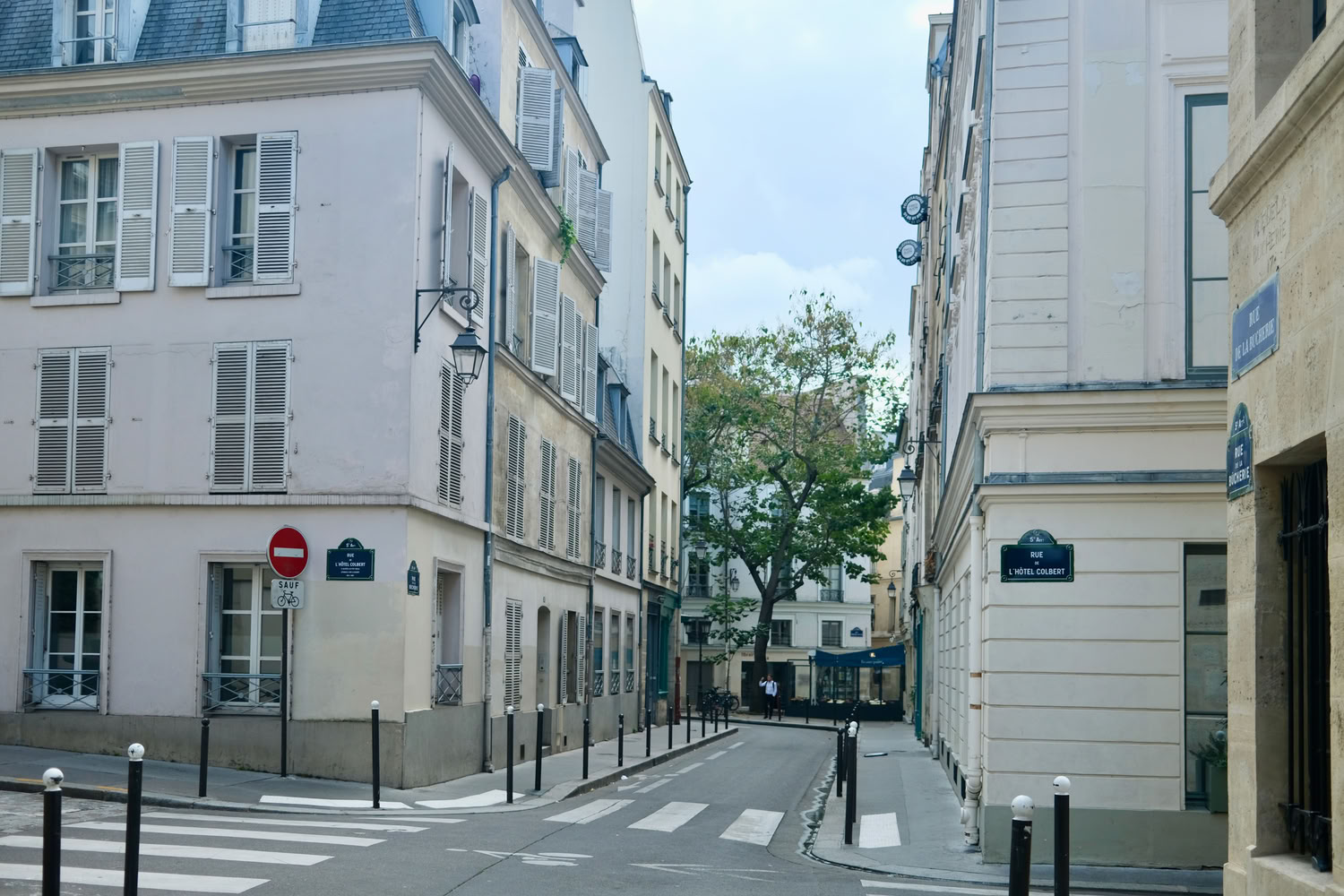
Culturally, the 5th arrondissement offers attractions like the Jardin des Plantes, the Muséum national d’Histoire naturelle (National Museum of Natural History), and the lively Rue Mouffetard market street, which has been a trading hub since Roman times.
Today, the 5th arrondissement stands as a vibrant and historic part of Paris, attracting both locals and tourists with its unique blend of history, culture, and education.
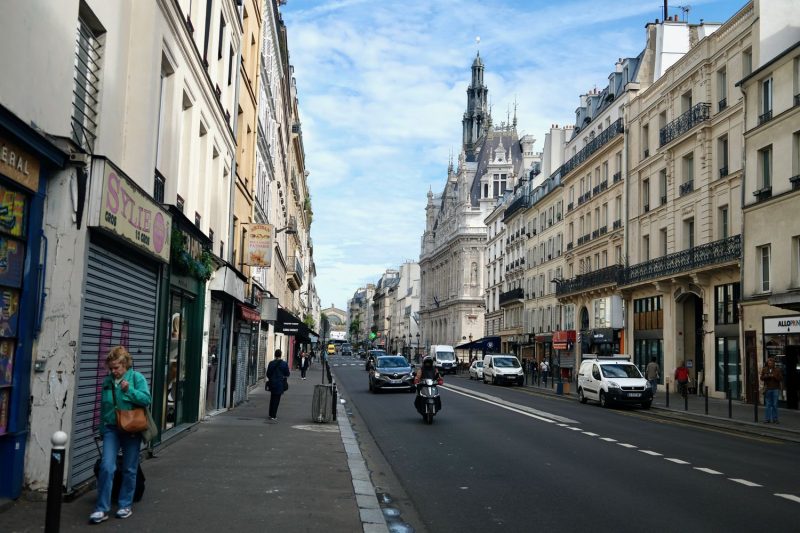
The 5th is one of Paris’s oldest and most atmospheric districts, located on the Left Bank. It blends ancient Roman roots, medieval university life, intellectual history, and vibrant student energy. Its narrow streets, bookshops, cafés, and landmarks make it a perennial favorite for travelers seeking authentic Parisian charm mixed with culture and history.
Famous Attractions
The 5th is packed with iconic sights:
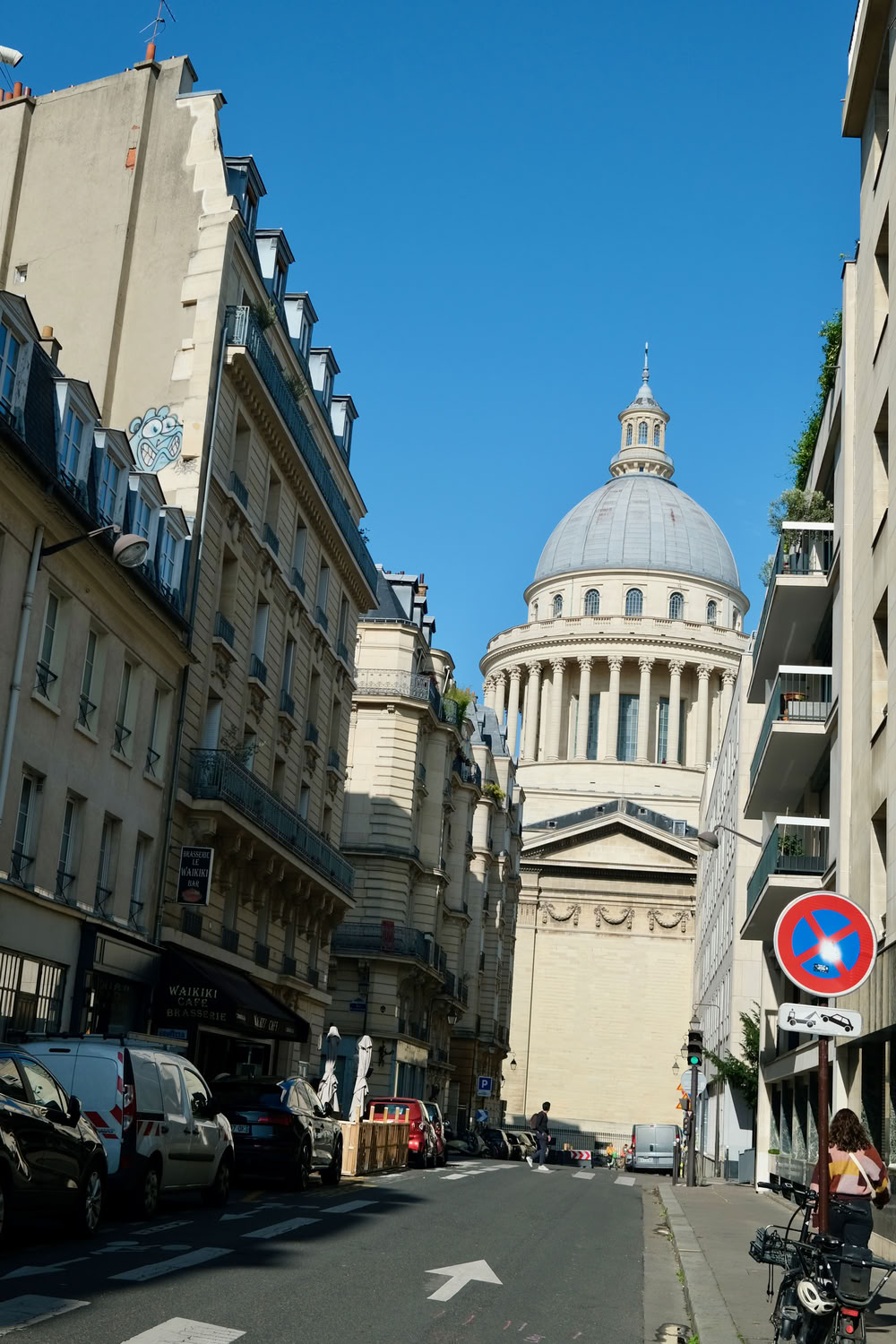
- Panthéon: This majestic neoclassical monument atop Montagne Sainte-Geneviève honors France’s greatest figures (Voltaire, Rousseau, Victor Hugo, Marie Curie, etc.). Climb the dome for panoramic views.
- Musée de Cluny (Musée National du Moyen Âge): Housed in the Hôtel de Cluny with Roman thermal baths (Thermes de Cluny) and a superb collection of medieval art, including the Lady and the Unicorn tapestries.
- Sorbonne University: Historic heart of the Latin Quarter; wander the area for its scholarly atmosphere (Cardinal Richelieu is buried in the chapel).
- Rue Mouffetard: Picturesque, lively market street lined with shops, bakeries, and cafés—often called “La Mouffe.”
Other highlights include the banks of the Seine and nearby Shakespeare and Company bookstore.
Hotels
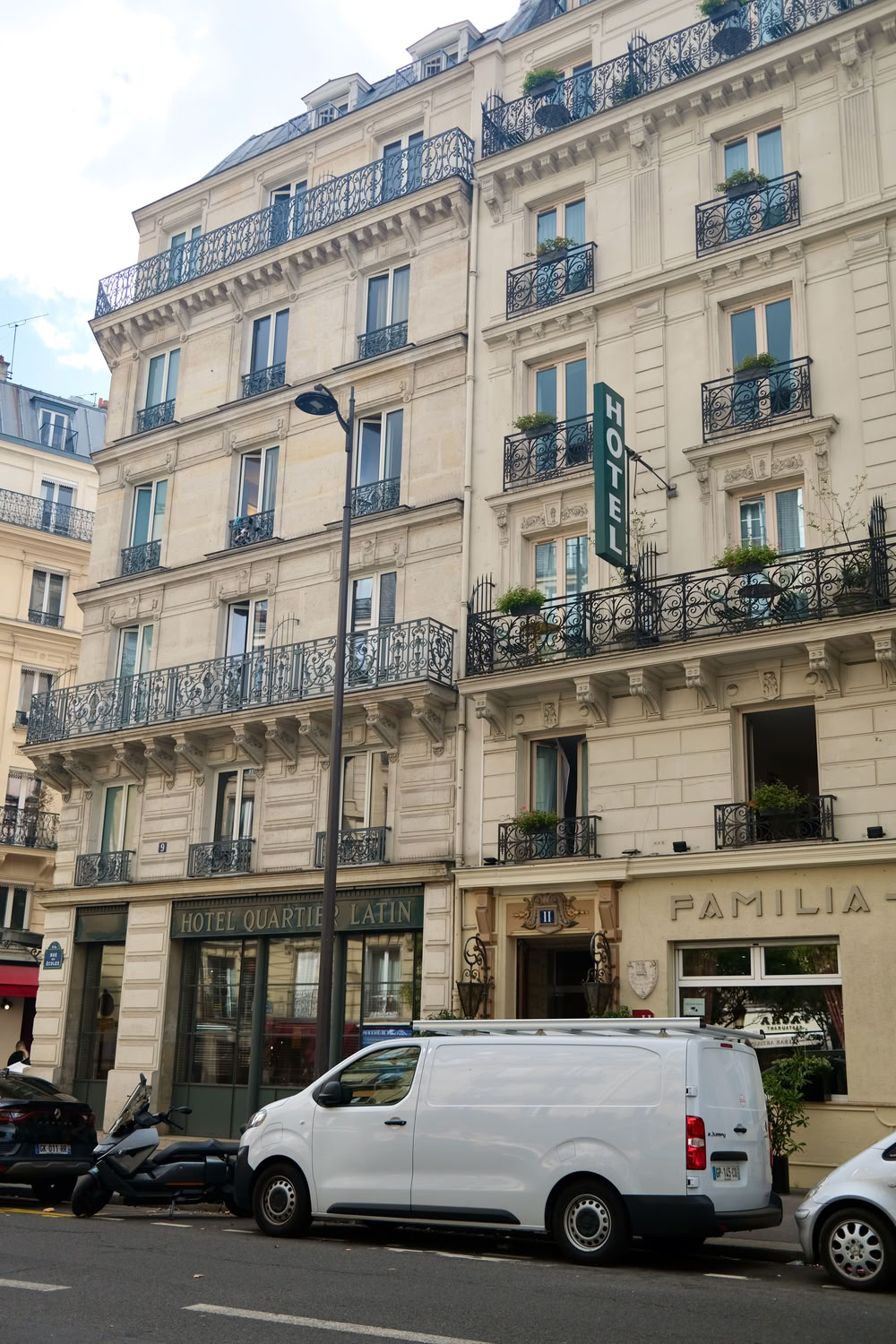
The 5th offers charming boutique hotels ideal for a central, walkable stay near major sights:
- Hôtel Monge: Frequently praised for its excellent location on Rue Monge, stylish rooms, and welcoming vibe— a top pick in the Latin Quarter.
- Hôtel Parc Saint-Séverin: Boutique Esprit de France property on a quiet street, offering comfort and a great central position.
- Other strong options: Hôtel des Grands Hommes (near the Panthéon, elegant), Hôtel du Panthéon, Les Dames du Panthéon, and Grand Coeur Latin. Many properties blend historic charm with modern amenities.
Cafés
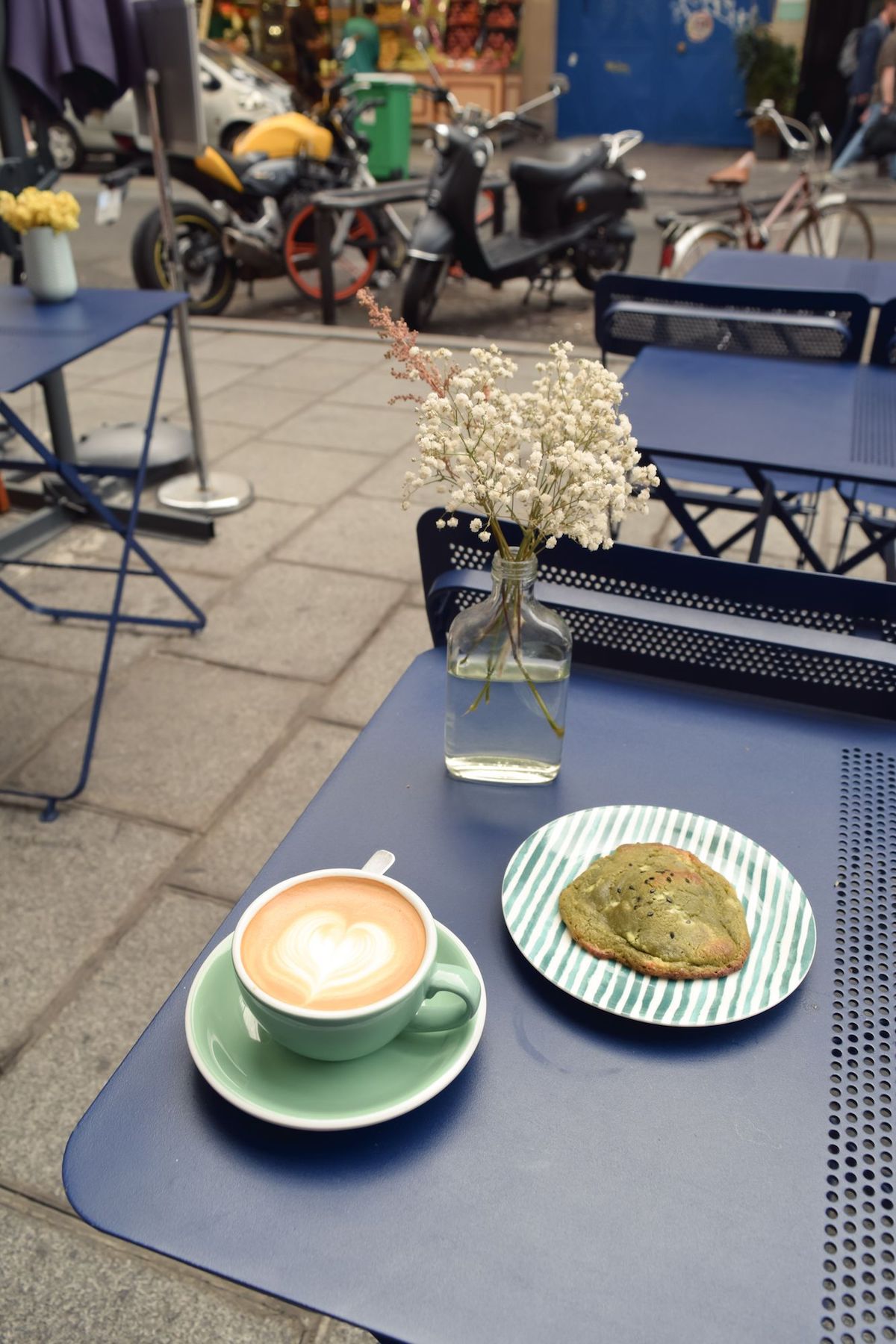
The Latin Quarter is café heaven, from historic student haunts to quality specialty spots:
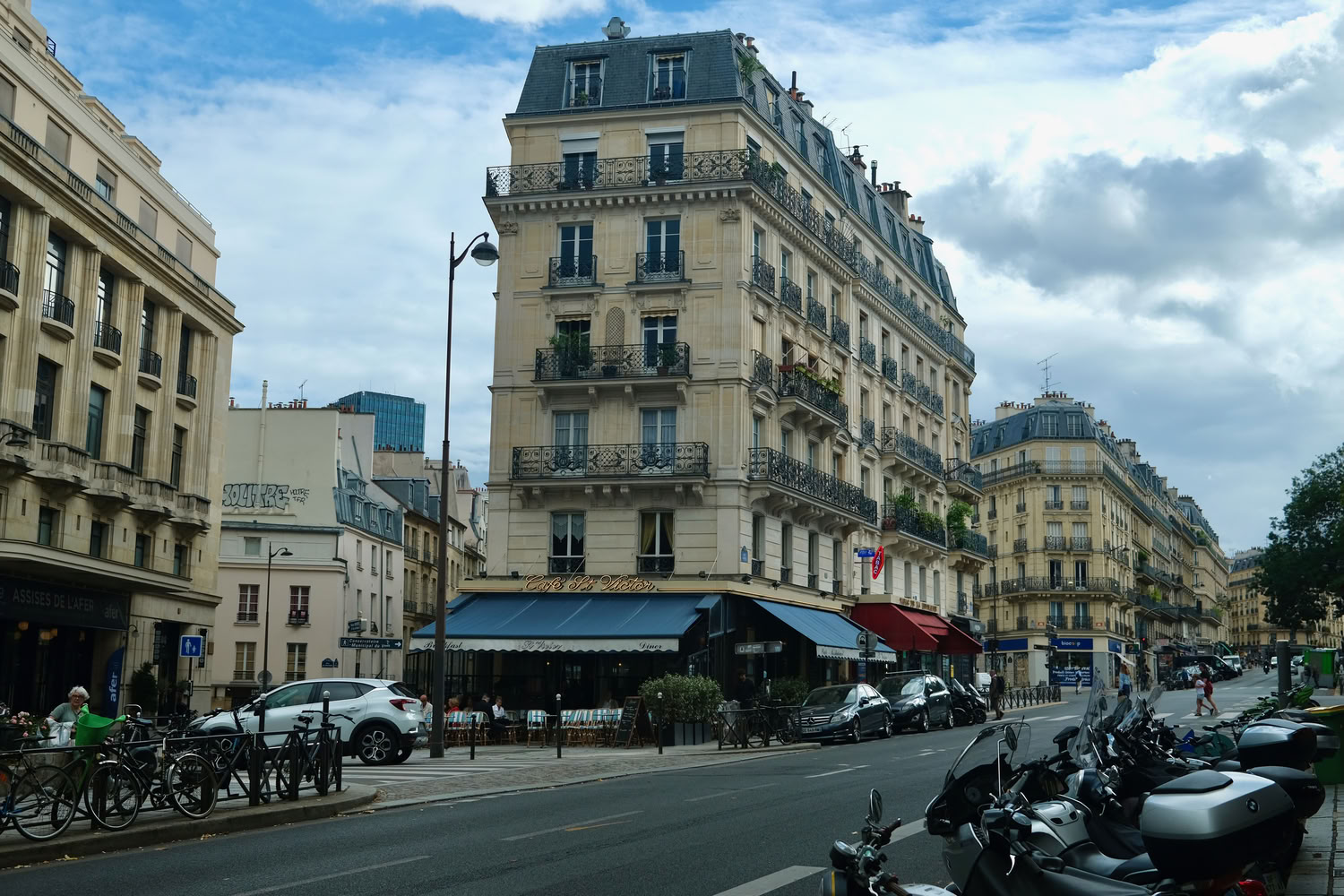
- Strada Café: One of the best for specialty coffee in the 5th, with friendly service and terrace seating.
- Crible: Modern micro-roastery café with excellent rotating beans and high-quality drinks.
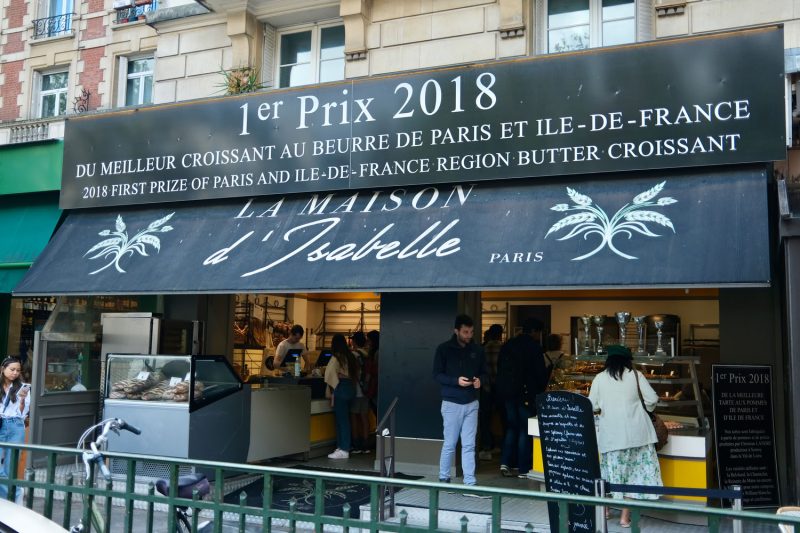
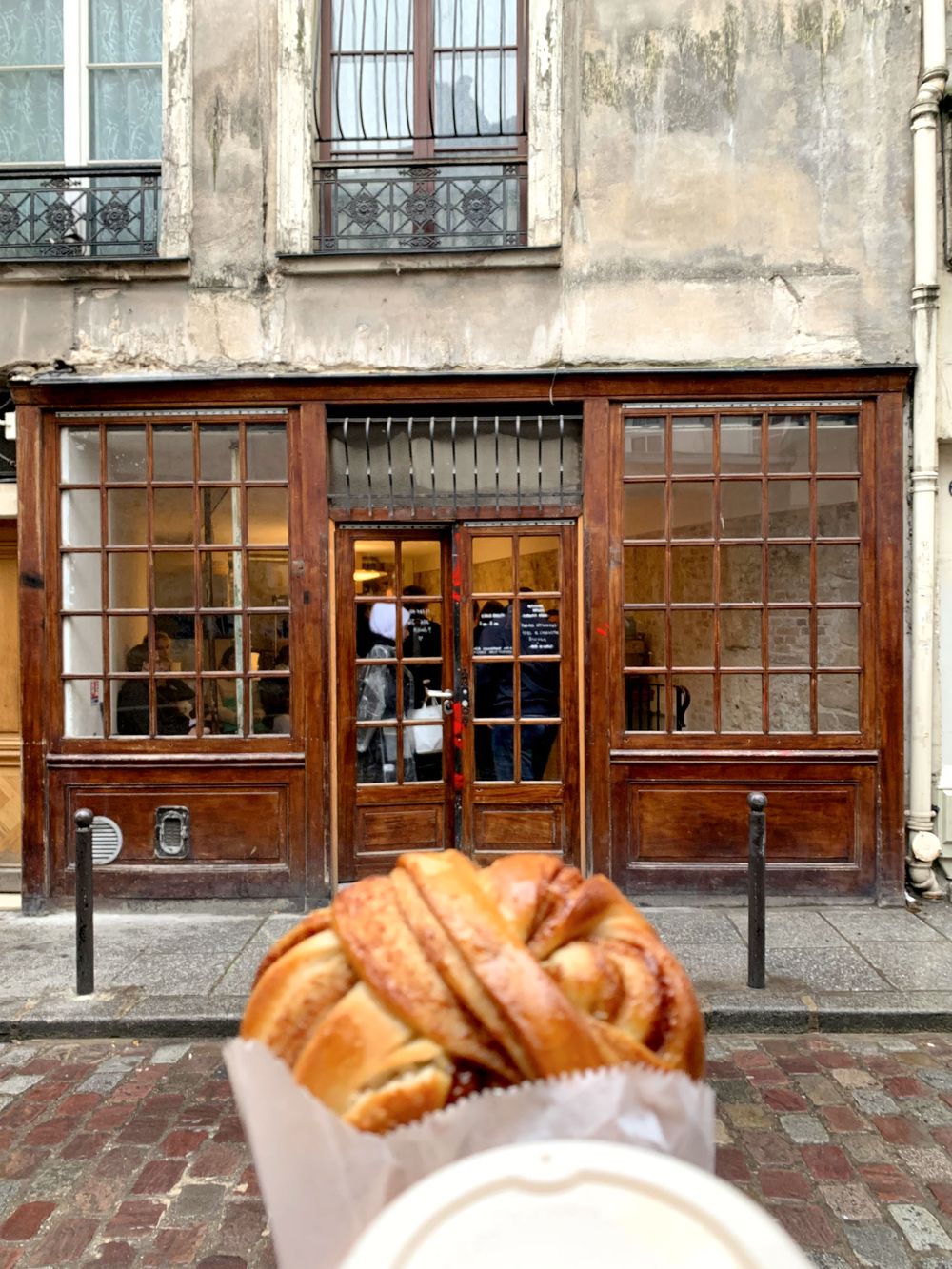
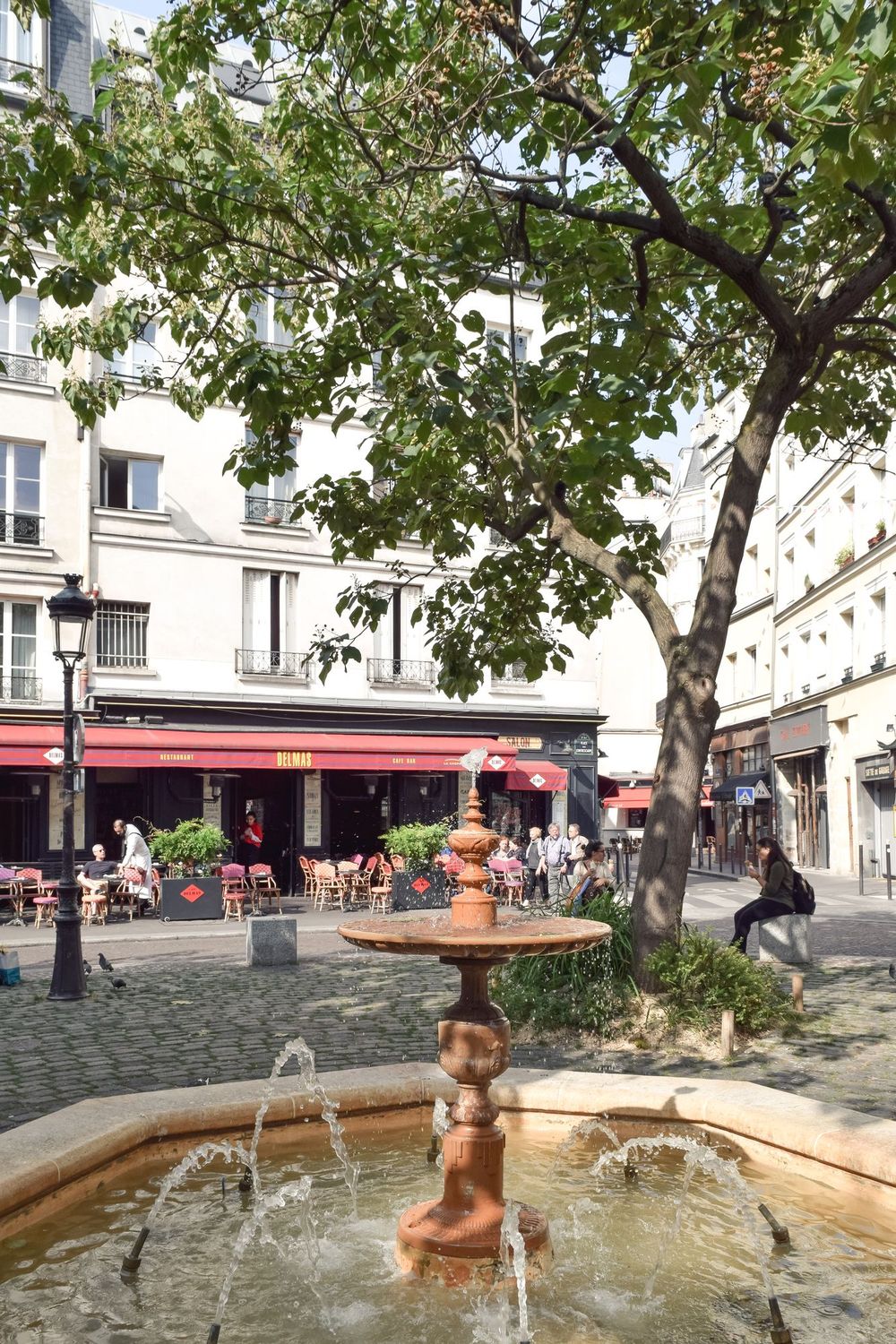
- Classic favorites along Rue Mouffetard or near the Sorbonne for people-watching and traditional French café culture (croissants, espresso, wine).
Look for spots with happy hours or local crowds for a more authentic feel.
Parks
These parks provide welcome breathing room in a dense, historic neighborhood.
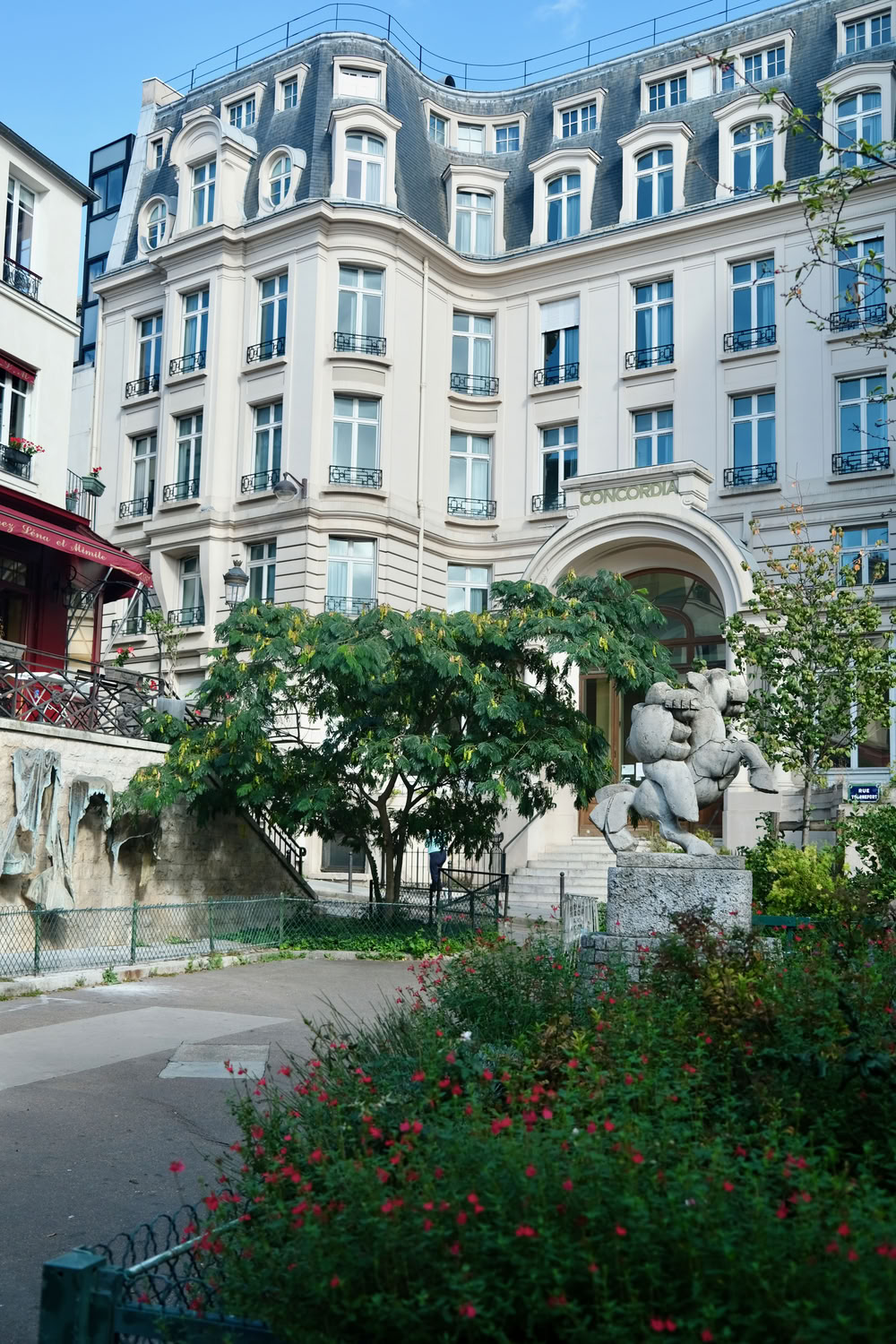
- Jardin des Plantes: The standout—botanical gardens, rose garden, alpine garden, and zoo. A peaceful green oasis by the Seine.
- Arènes de Lutèce: 2nd-century Roman amphitheater ruins (one of the few above-ground Gallo-Roman remnants in Paris). Now a peaceful public park. Combines history and recreation; locals play boules or relax on the grass amid Roman ruins.
- Square René Viviani: Small but charming, home to Paris’s oldest tree and lovely views toward Notre-Dame.
Where to Eat
The 5th has everything from casual bistros to higher-end options. Avoid the most tourist-trap stretches and seek locals’ favorites:
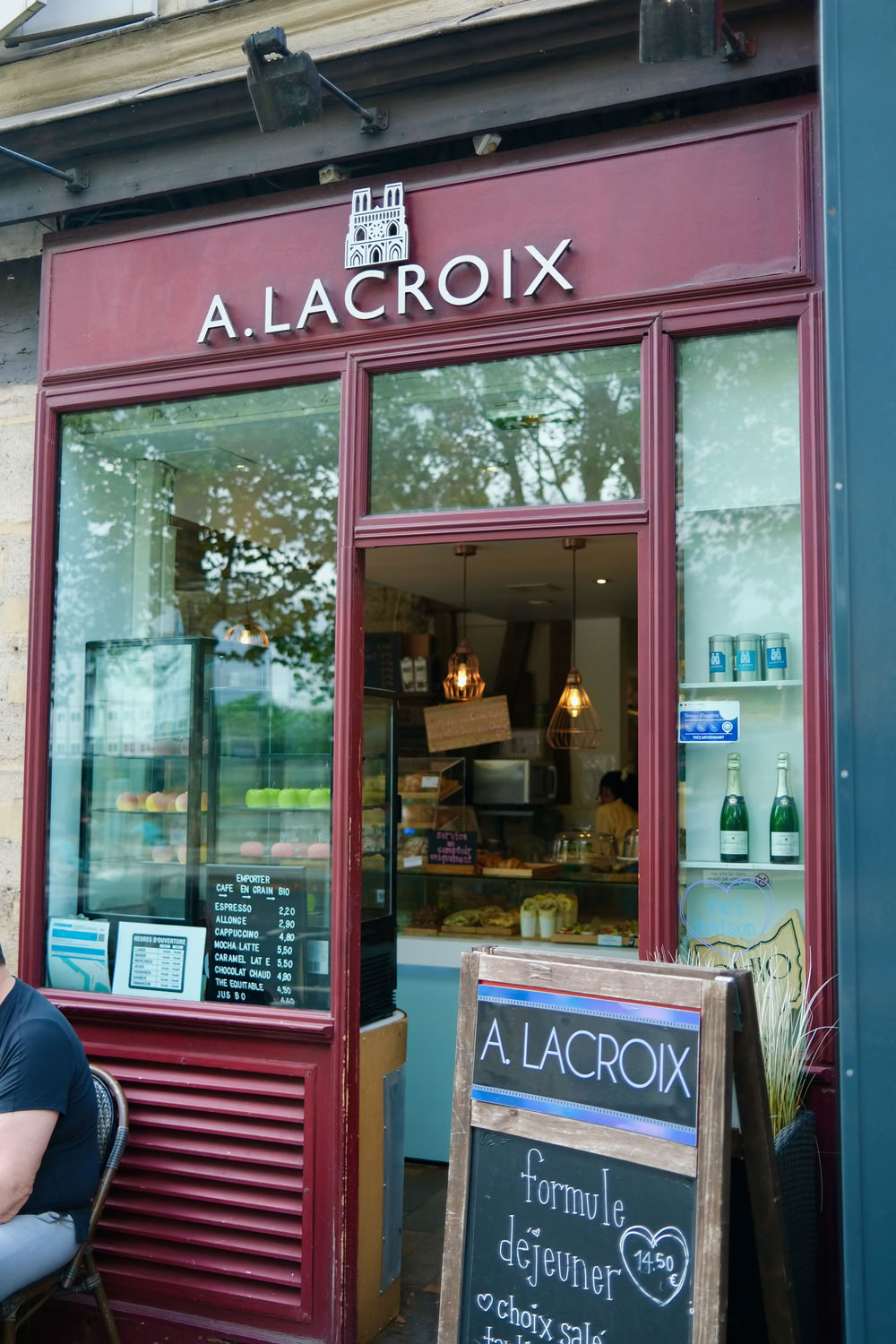
- Michelin-recommended or notable spots: Alliance, Baieta, and others offering modern French cuisine.
- Classics and bistros: Look for places serving French standards (steak frites, duck, etc.). Nearby options in the broader Latin Quarter include Bouillon-style restaurants for affordable, hearty meals.
- Rue Mouffetard area: Great for market-fresh casual dining, crêpes, cheese shops, and traditional brasseries like Café Tournbride or La Contrascarpe.
The area excels in bakeries, fromageries, and wine bars. Explore for seasonal markets too.
Churches
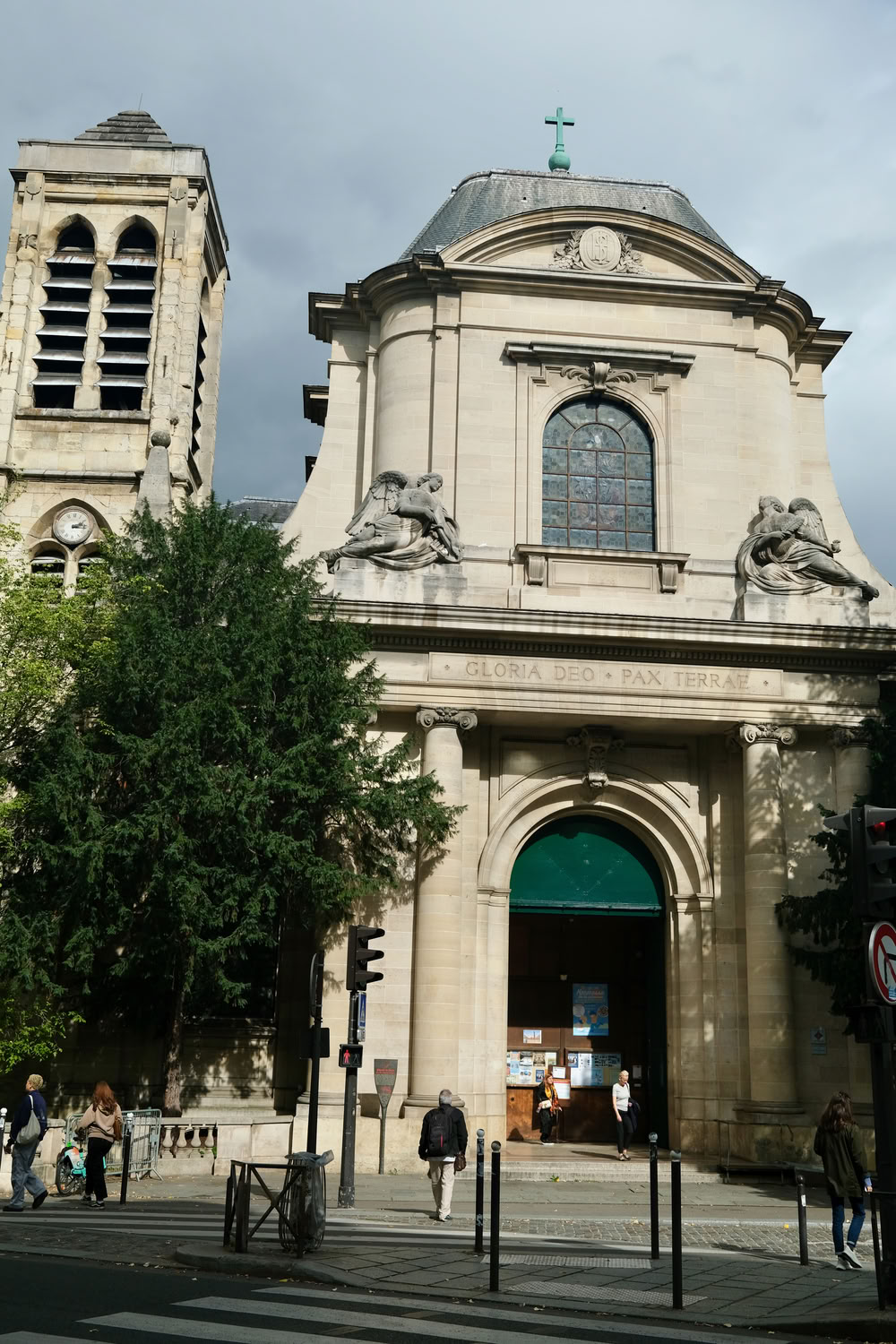
Saint-Séverin: Flamboyant Gothic church with beautiful stained glass and a palm-tree-like column inside.
Val-de-Grâce: Magnificent 17th-century Baroque church with a grand dome and impressive frescoes.
Saint-Julien-le-Pauvre: One of Paris’s oldest churches (12th century), now Melkite Greek Catholic, in a peaceful garden setting near the Seine.
Shopping
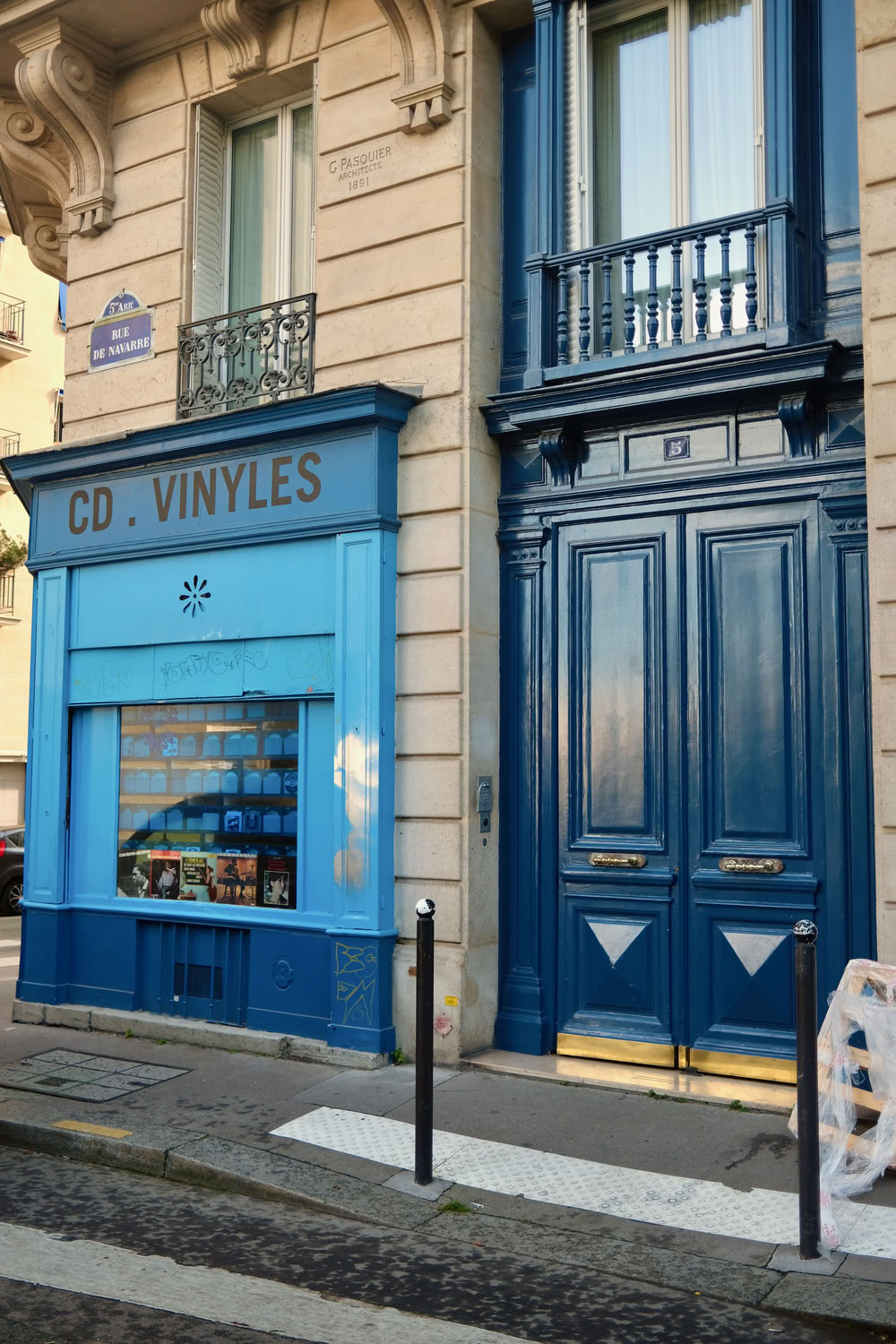
Boulevard Saint-Michel: Higher-end fashion, bookstores, and chain stores (straddles 5th/6th).
Markets: Marché Monge and Marché Maubert for fresh goods and local color.
Boutiques along smaller streets for unique finds, books, and gifts.
Bookstores
The Latin Quarter is a bibliophile’s paradise.
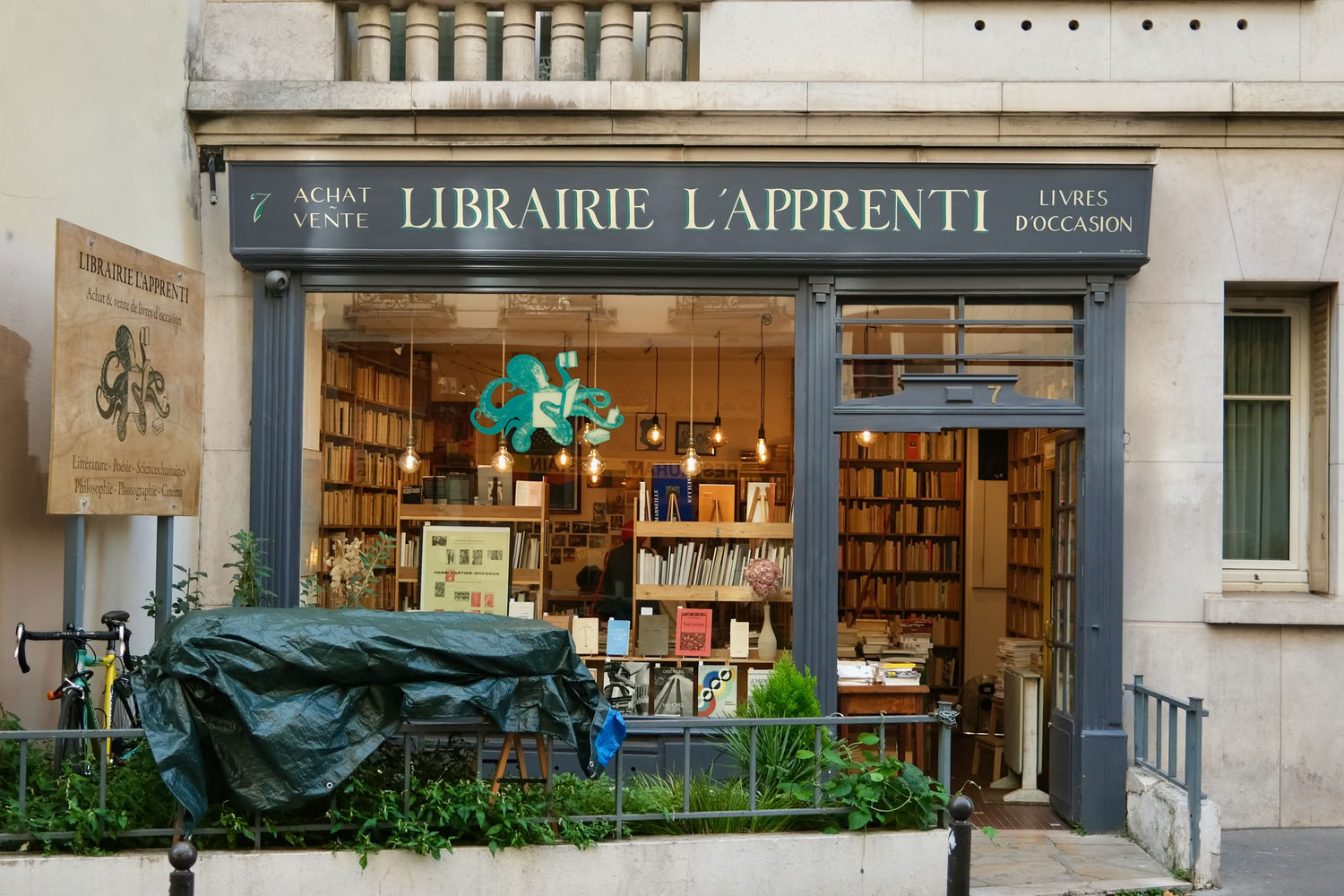
- Shakespeare and Company: Legendary English-language bookstore opposite Notre-Dame. Iconic, welcoming, and full of new and used titles.
- The Abbey Bookshop: Canadian-run English-language shop with a cozy, well-curated selection.
- Others: San Francisco Book Company (used English books), Gibert Joseph, Boulinier, and numerous bouquinistes (riverside stalls).
- Rue Monge also has a strong bookstore presence.
Wander and browse—many shops have deeply discounted used sections.
Getting There
The 5th arrondissement is located in the central part of Paris, bordered by the Seine River to the north, the 4th arrondissement to the west, the 6th arrondissement to the west and northwest, and the 13th arrondissement to the south. The exact postal code is 75005 Paris, France.