Castillo de Santa Barbara: a Medieval Castle in Southern Spain

Culture Travel may earn a commission through links on this website. As an Amazon Associate, we earn from qualifying purchases.
The Castillo de Santa Bárbara (Santa Barbara Castle) is one of Europe’s largest medieval fortresses, perched atop Mount Benacantil (166 meters high) in the heart of Alicante, Spain. Its strategic location overlooking the Mediterranean Sea and the Bay of Alicante has made it a key defensive site for centuries. The mountain’s profile from certain angles resembles a face, earning it the nickname “the Moor’s Face,” an iconic symbol of the city.
Origins and Muslim Period
Archaeological evidence shows human activity on Mount Benacantil dating back to the Bronze Age, with Iberian and Roman artifacts found on its slopes. However, the castle’s main structure originated in the 9th century during Muslim rule over the Iberian Peninsula (Al-Andalus). The Arabs fortified the site for its commanding views, and medieval geographers referred to the mountain with names linked to the Arabic term for Alicante (Laqant).
Christian Reconquest and Naming
On December 4, 1248 — the feast day of Saint Barbara — Castilian forces led by Prince Alfonso (later King Alfonso X “the Wise”) captured the castle from the Muslims during the Reconquista. This event gave the fortress its current name, Santa Bárbara.
In 1296, King James II of Aragon conquered it and incorporated it into the Kingdom of Aragon (later the Crown of Aragon), ordering initial reconstructions.
Later Modifications and Military Role
- 14th-15th centuries: Further rebuilds under kings like Peter IV of Aragon and during conflicts such as the War of the Two Peters.
- 16th century: Major Renaissance-style expansions under Philip II of Spain, transforming it into a modern fortress. Engineers like Juan Bautista Antonelli designed key features, including bastions and halls.
- 18th century: Additional works, including the lower revellín (Bon Repós). It suffered bombardments, such as by the French in 1691 and during the War of the Spanish Succession (1706-1709), when it briefly fell to English forces.
- The castle also served as a prison at times and saw declining military use from the 18th century onward.
The castle is divided into three main levels:
- The highest (Macho del Castillo): Oldest parts from the Muslim era.
- The middle: 16th-century noble quarters, including the Felipe II Hall, Parade Ground (Patio de Armas), Queen’s Bastion, and ruins of the Santa Bárbara hermitage.
- The lowest: 18th-century additions.
Modern Era
Abandoned militarily in the 19th-20th centuries, it opened to the public in 1963. Today, it’s a major tourist attraction with panoramic views, hosting the Museum of the City of Alicante (MUSA), exhibitions, events, and guided tours. Entry to the grounds is free (elevator access has a small fee), and it offers stunning vistas of the city, beach, and sea.
The castle blends Muslim, medieval, and Renaissance architecture, reflecting Alicante’s layered history from Muslim to Christian eras. It’s a must-visit for its historical depth and breathtaking scenery!
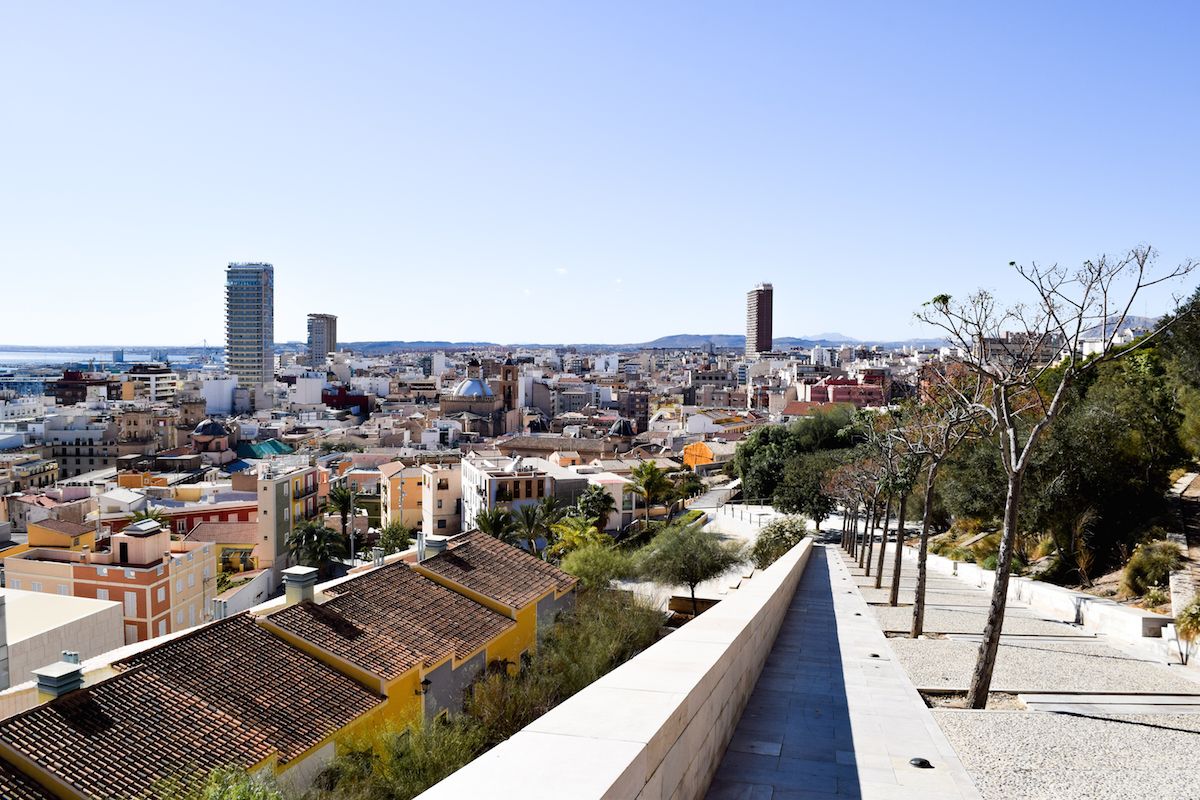
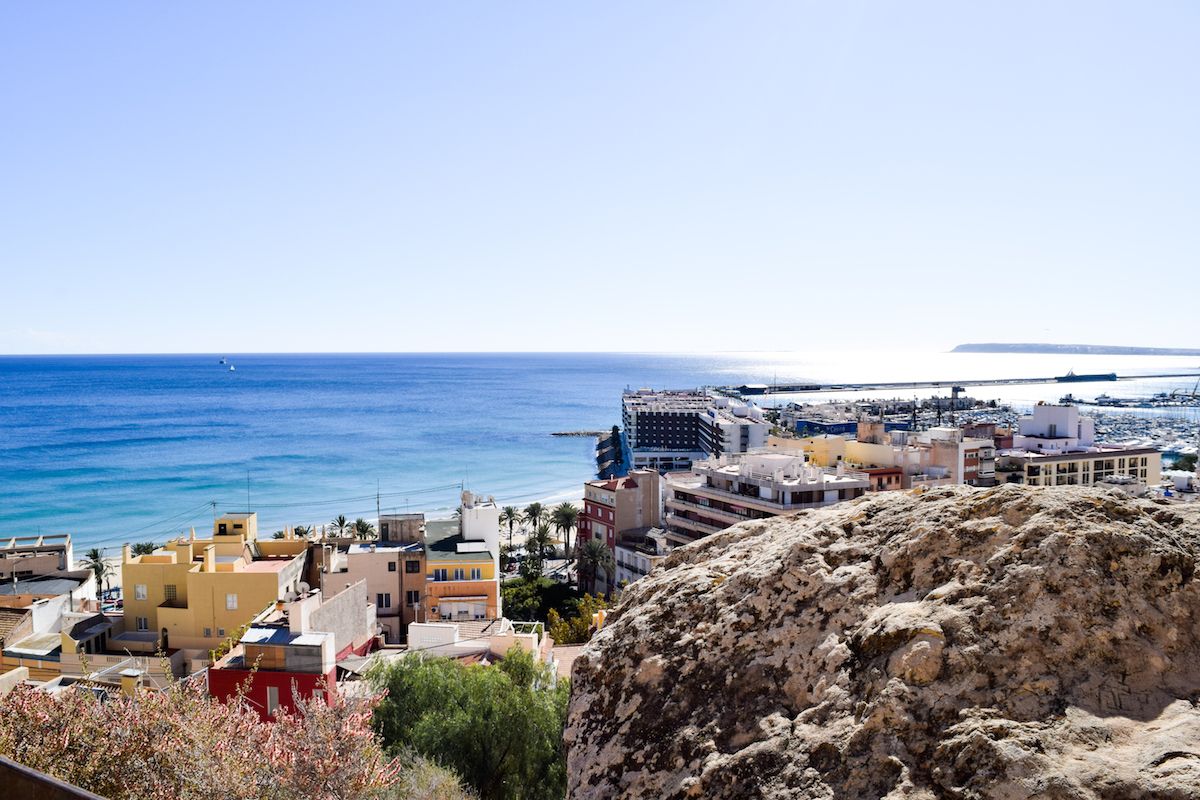
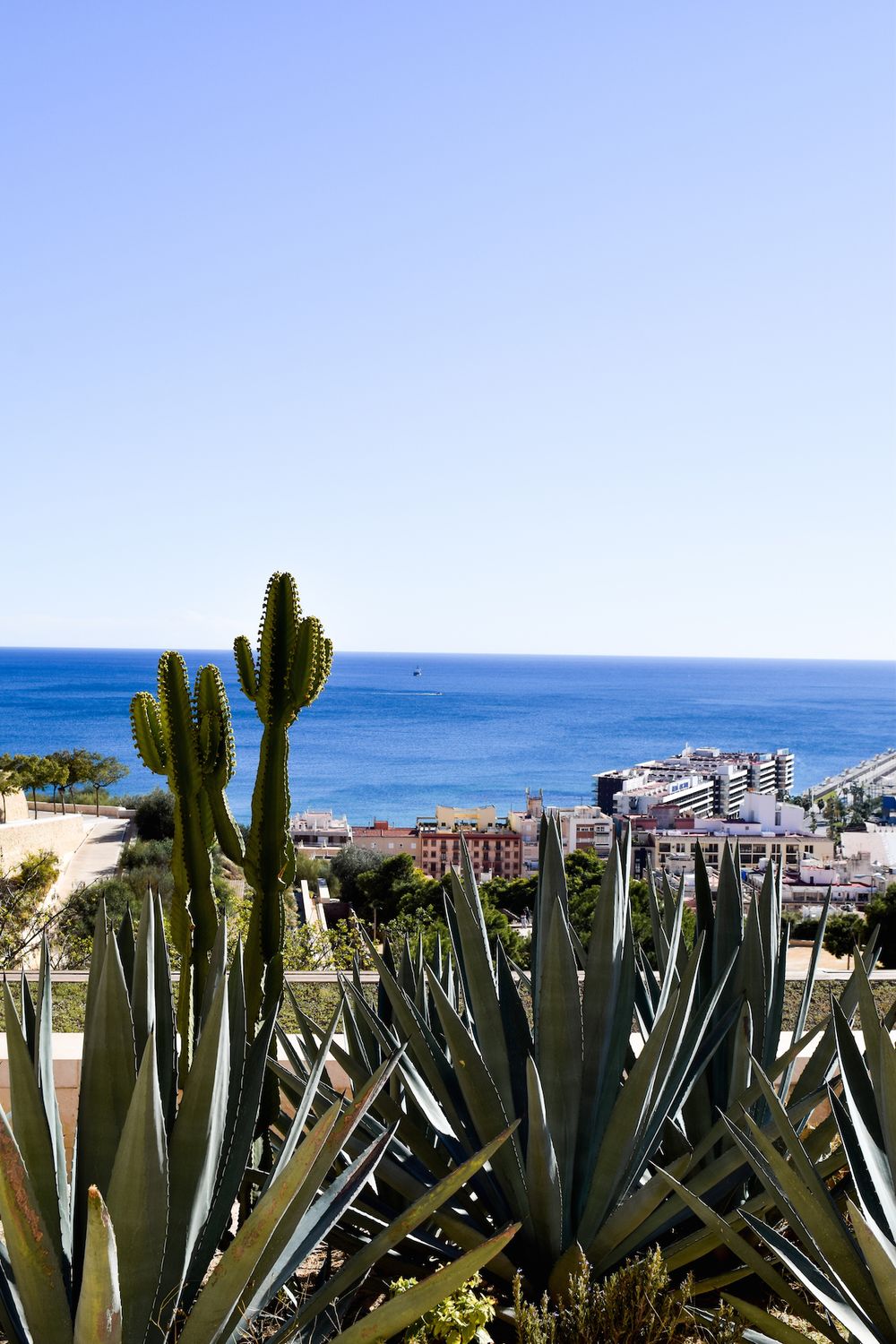
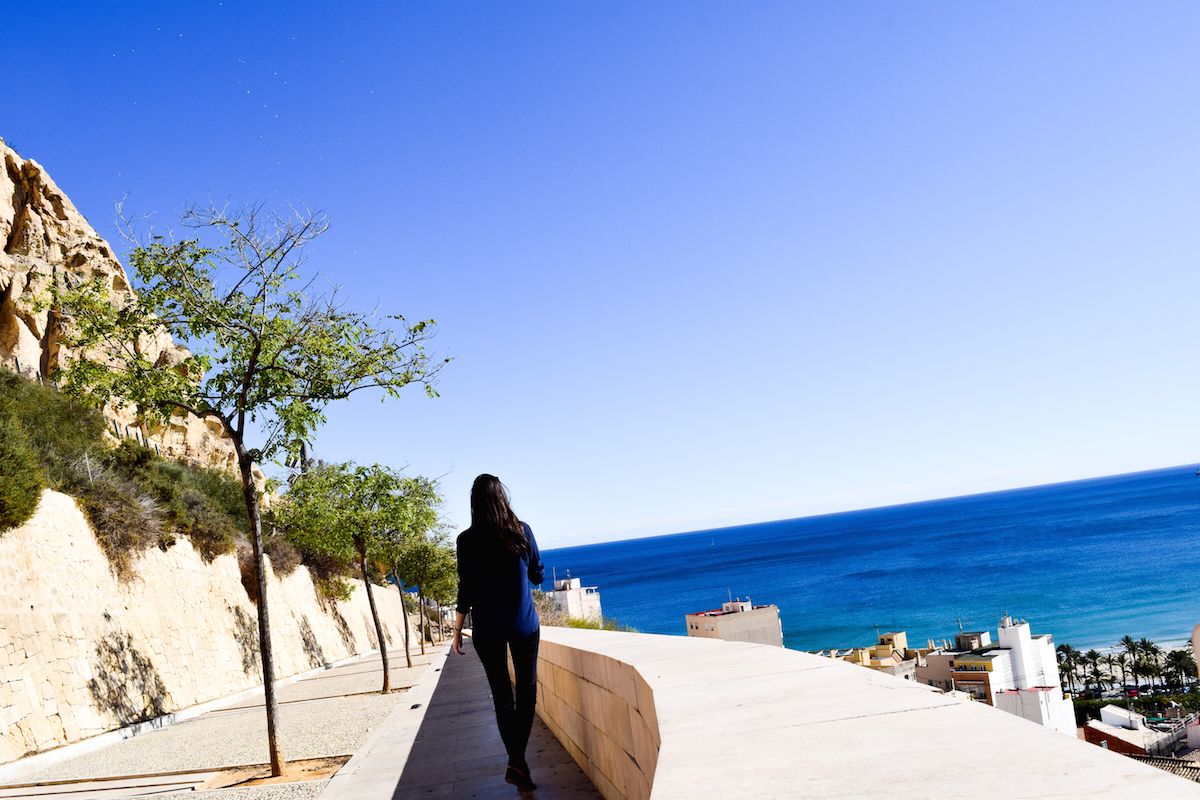
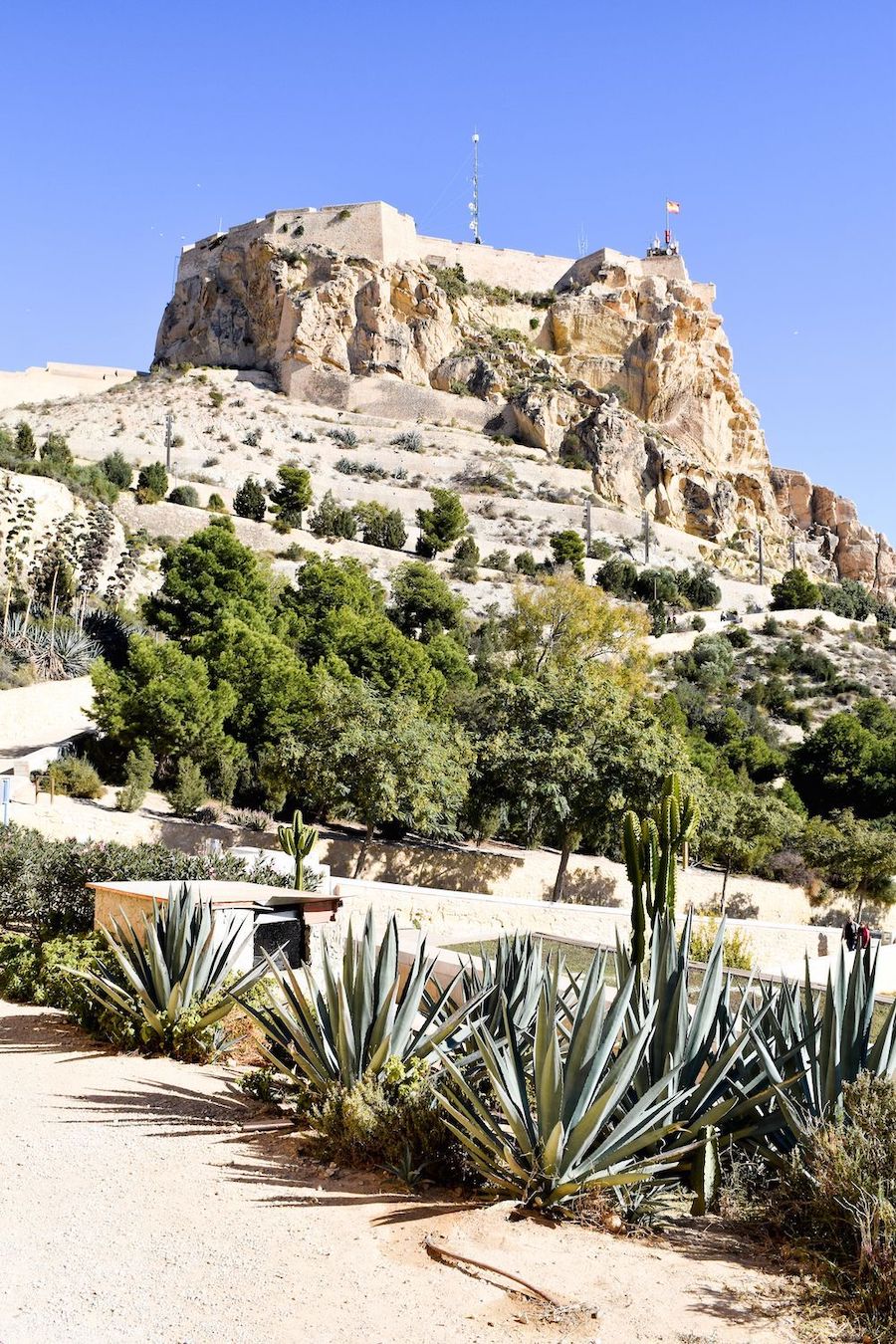
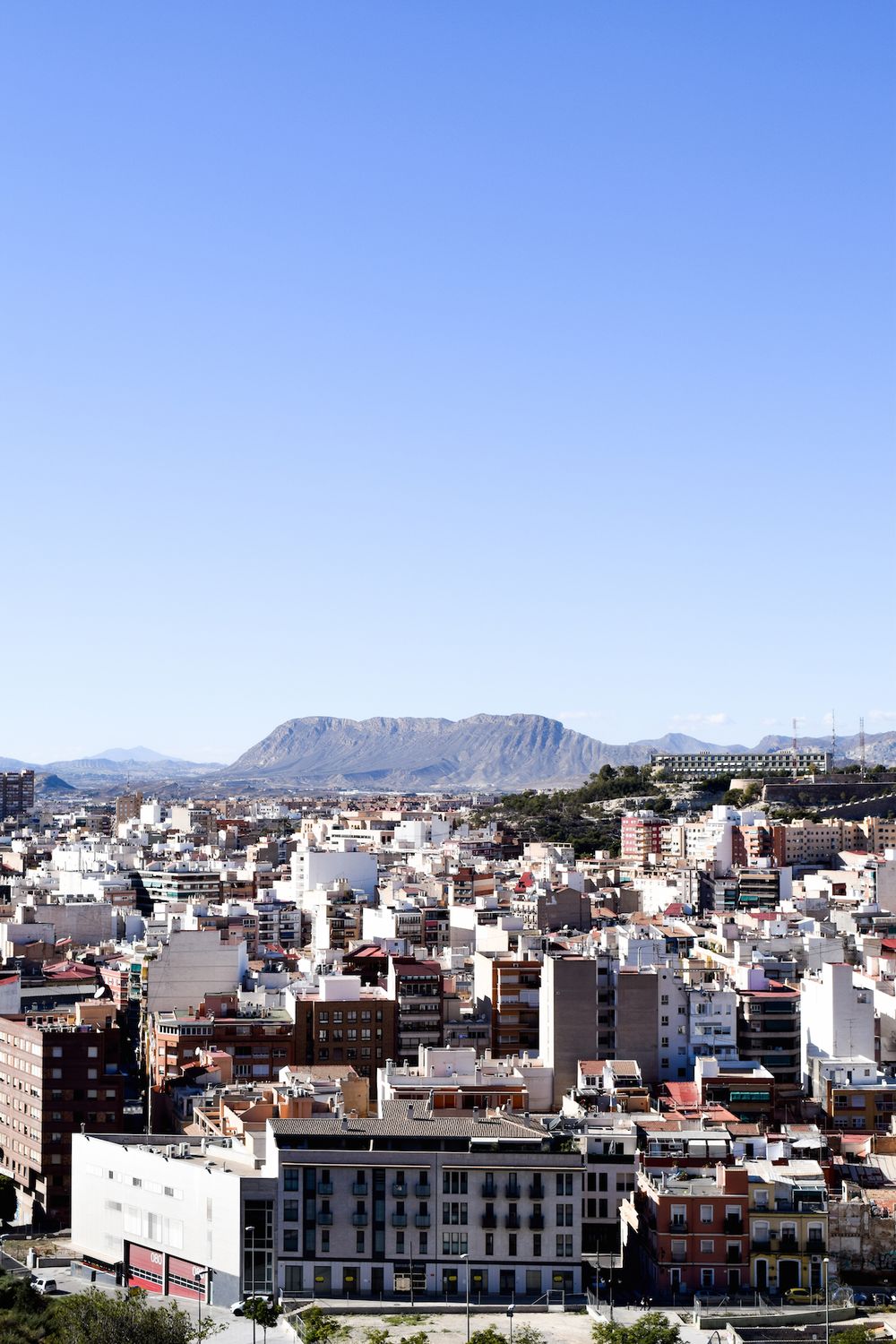
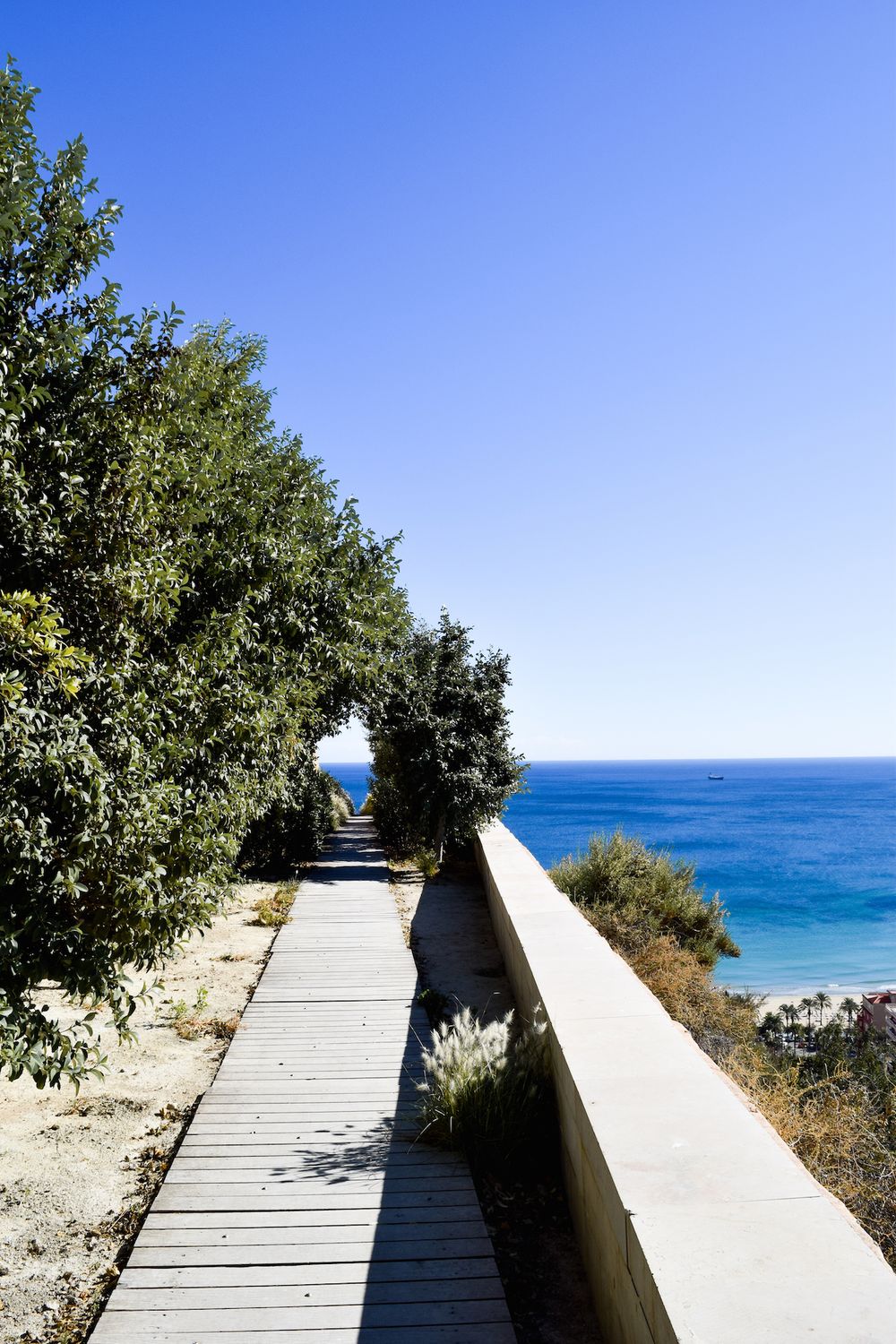
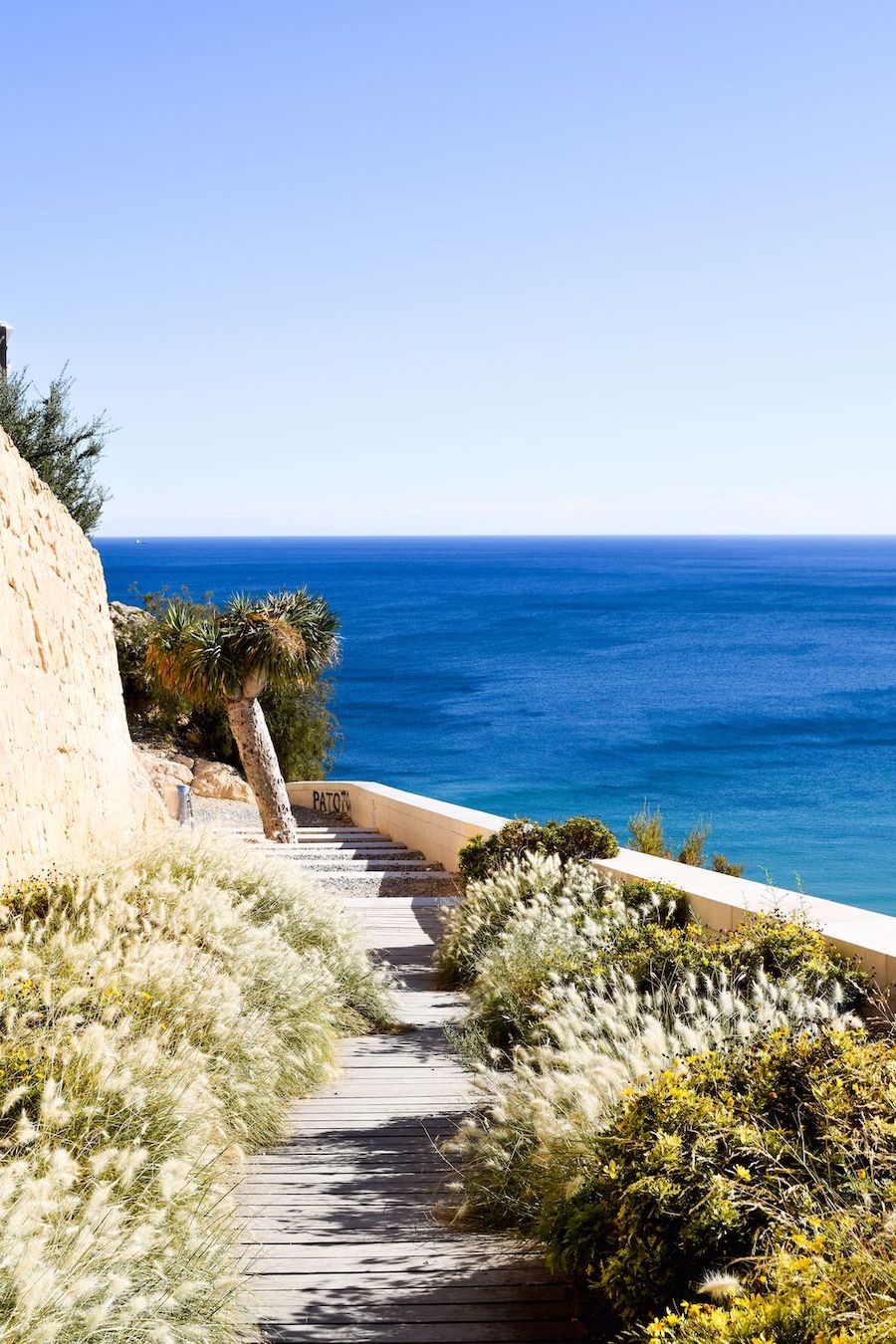
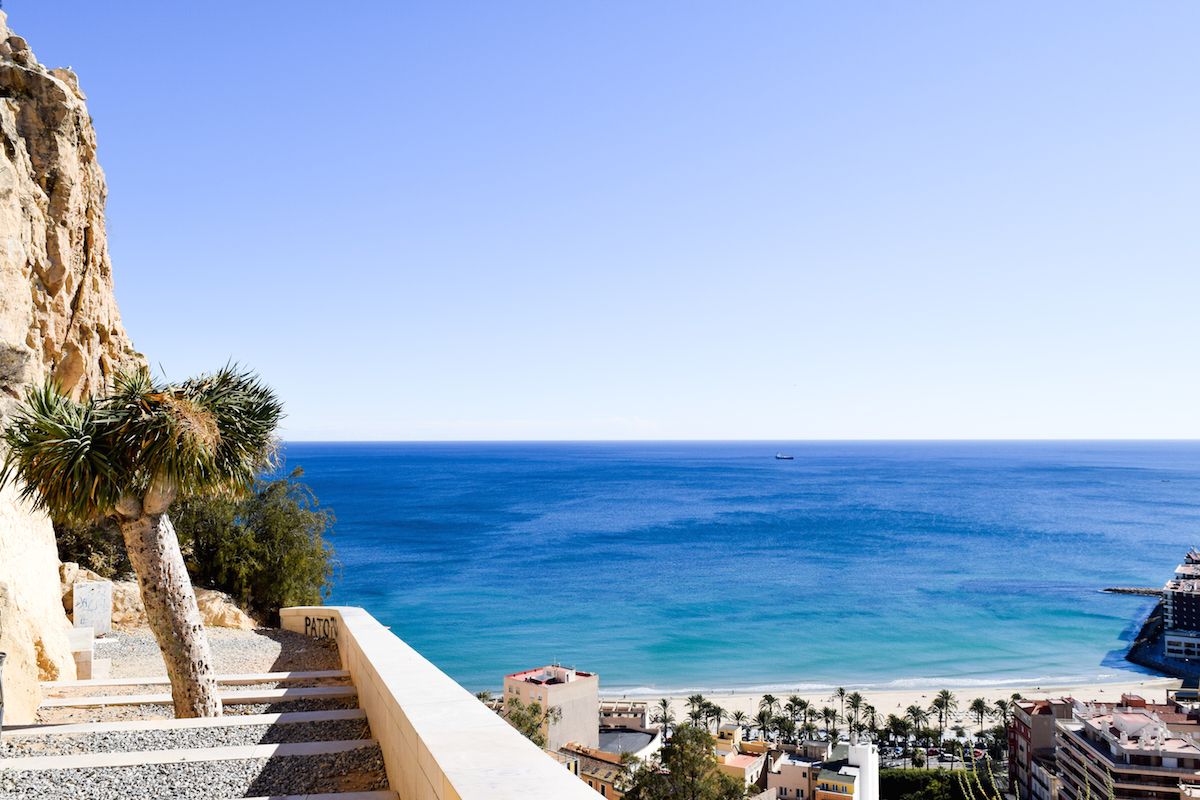
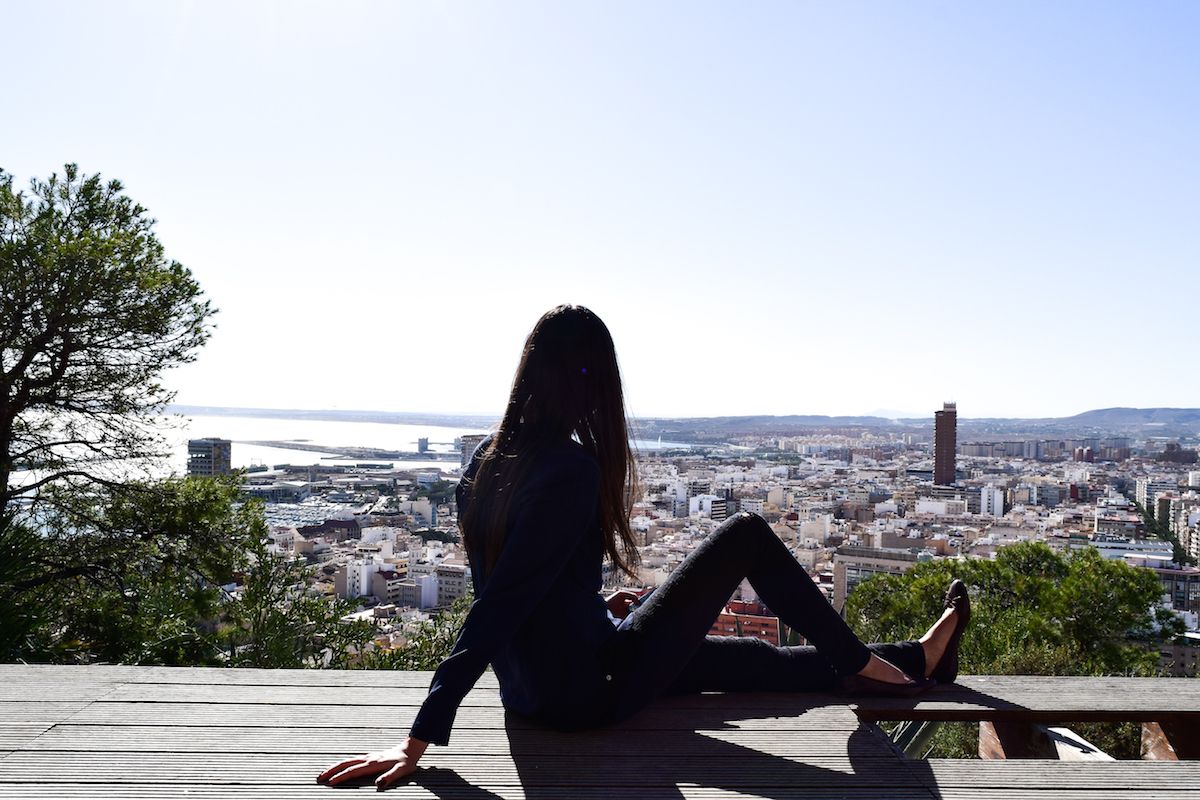
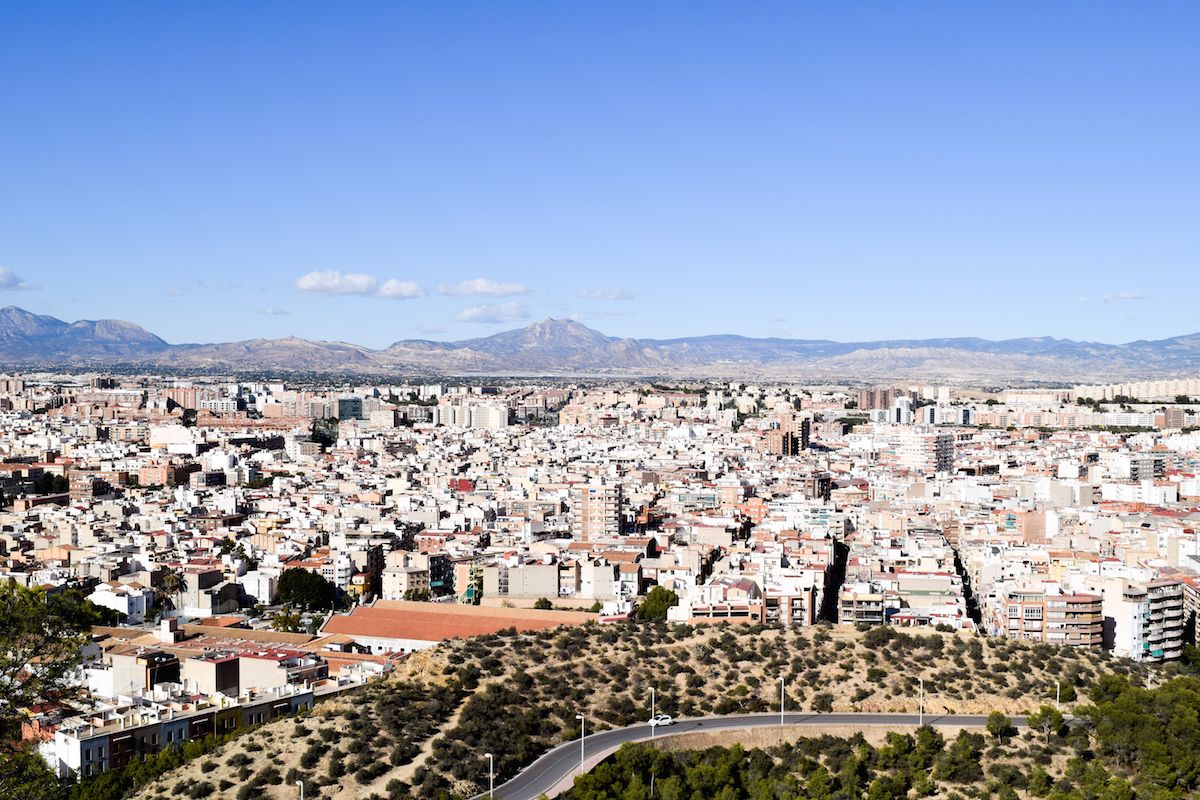
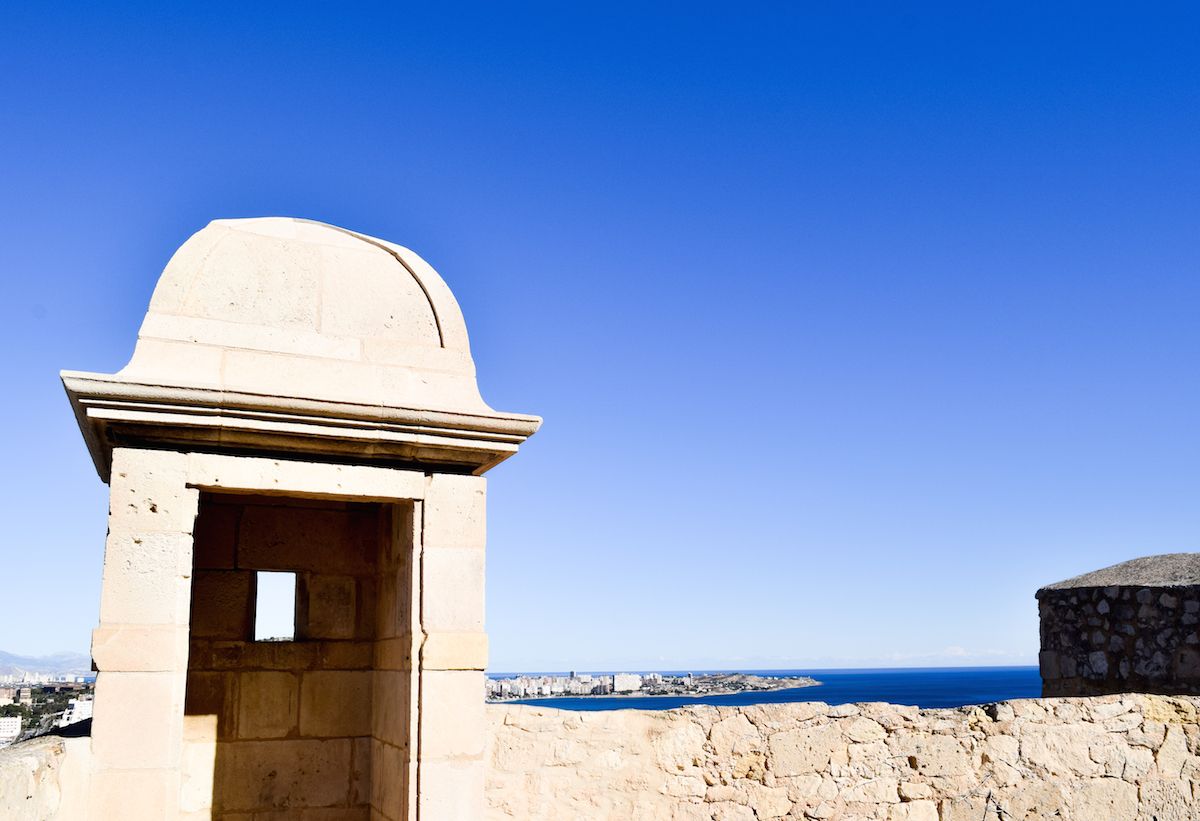
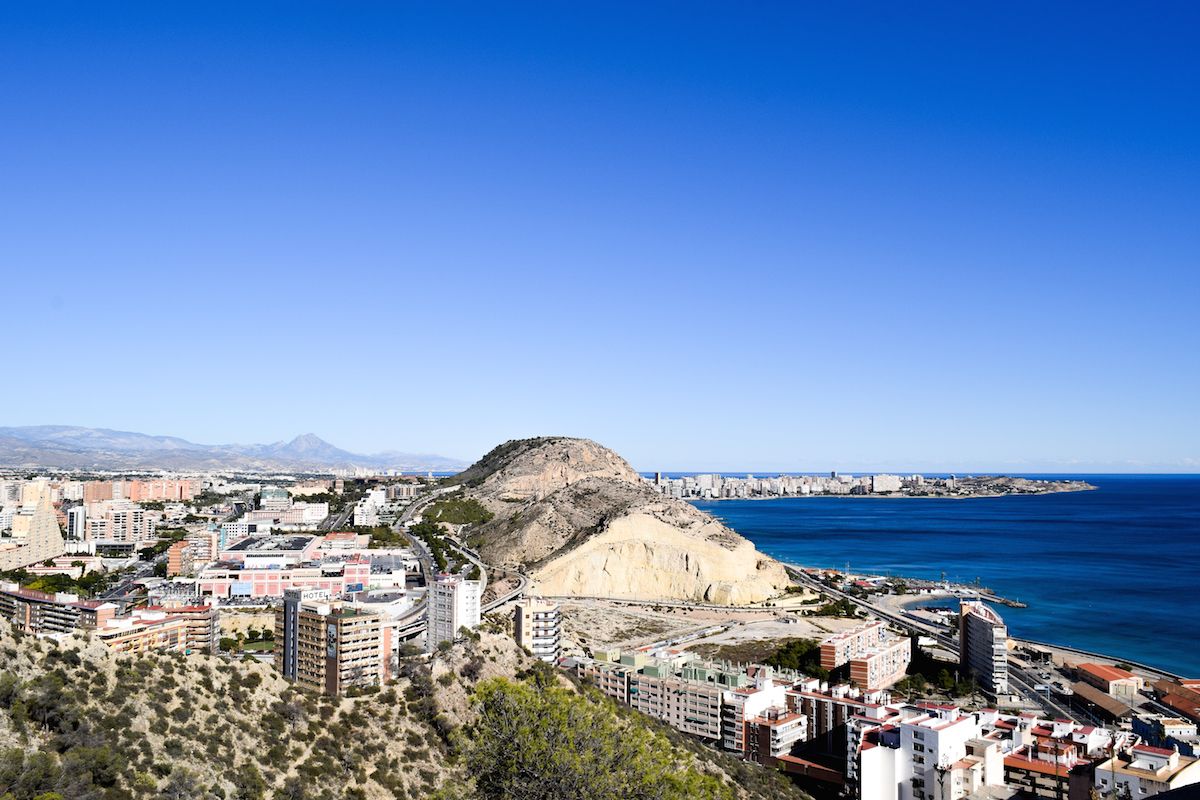
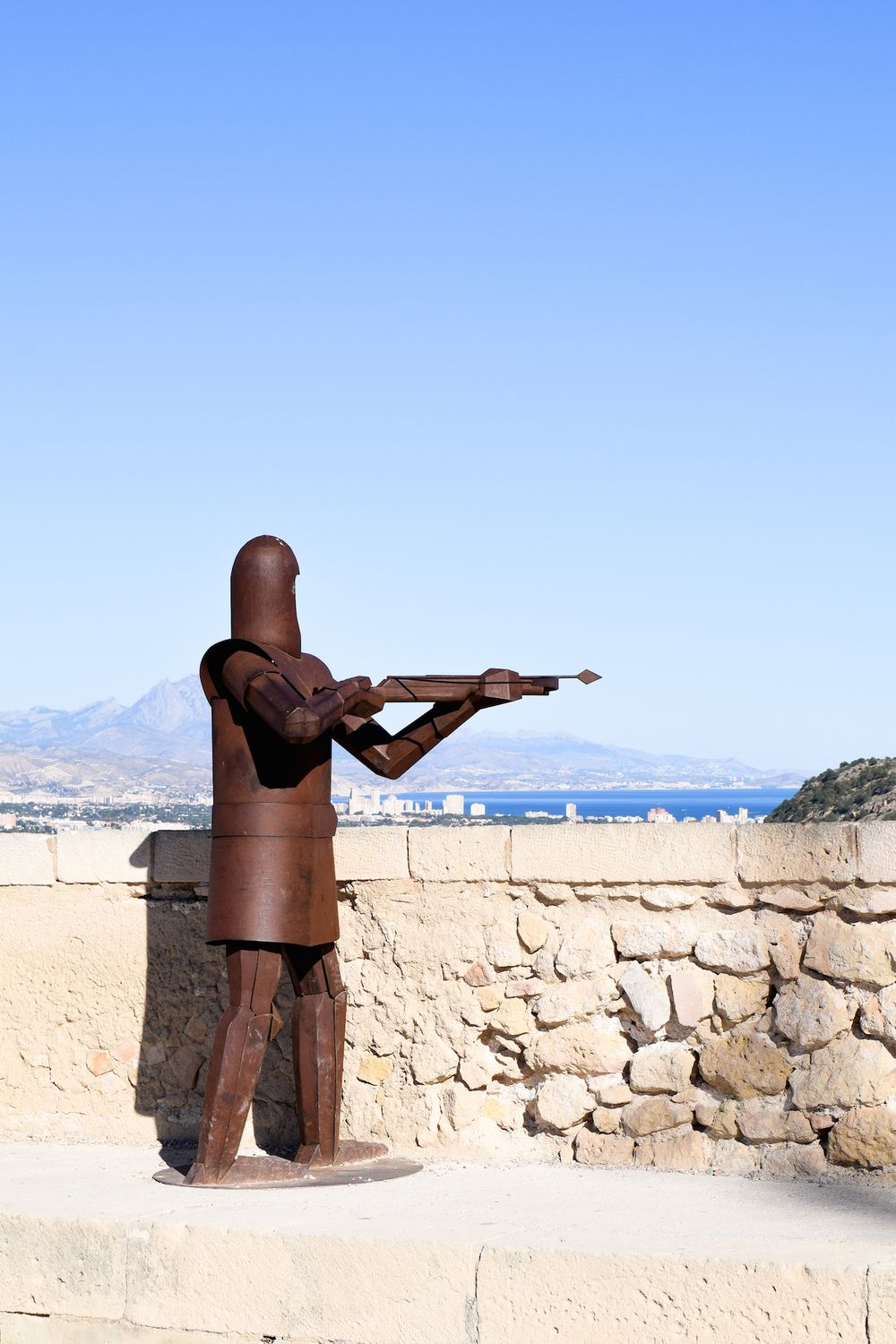
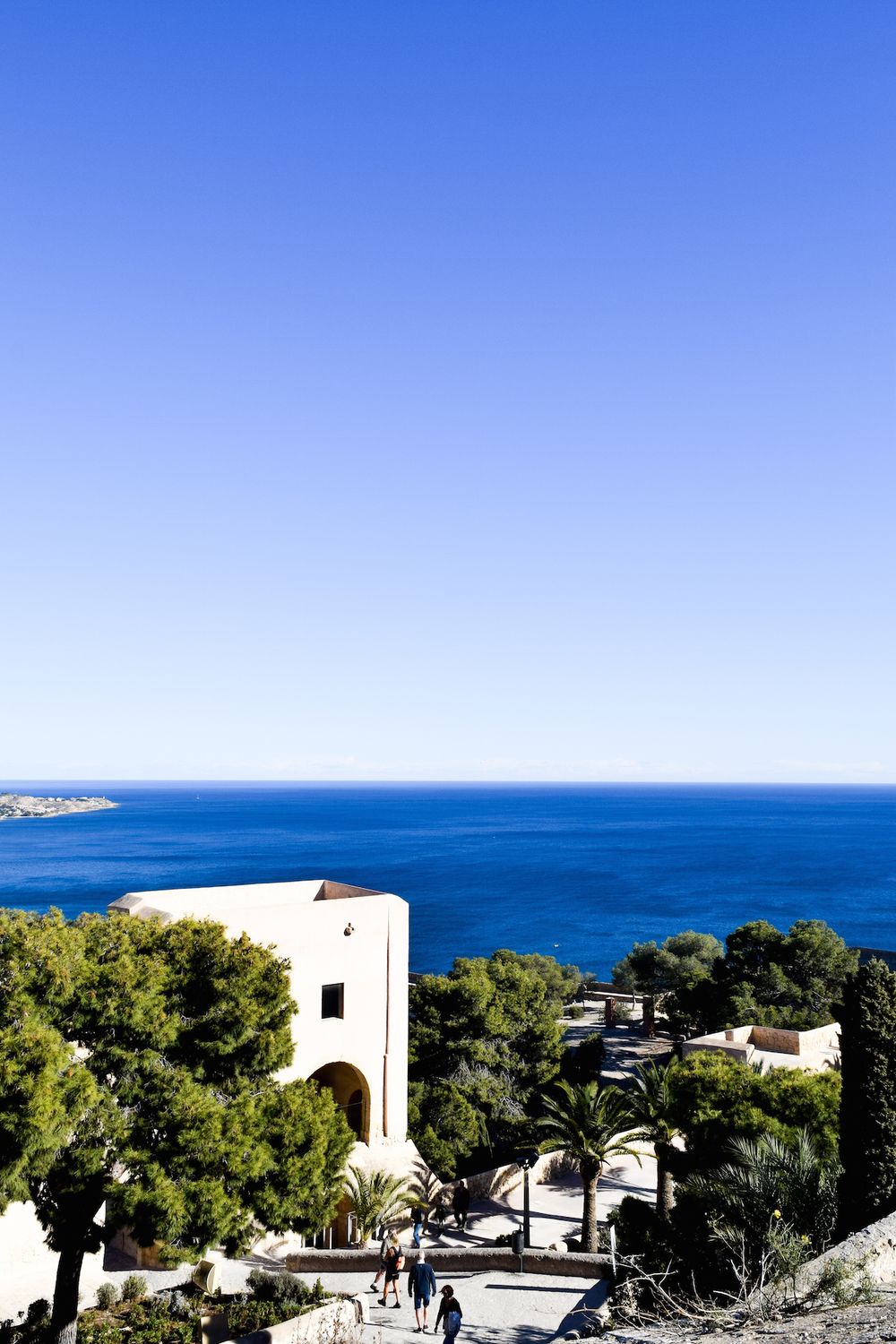
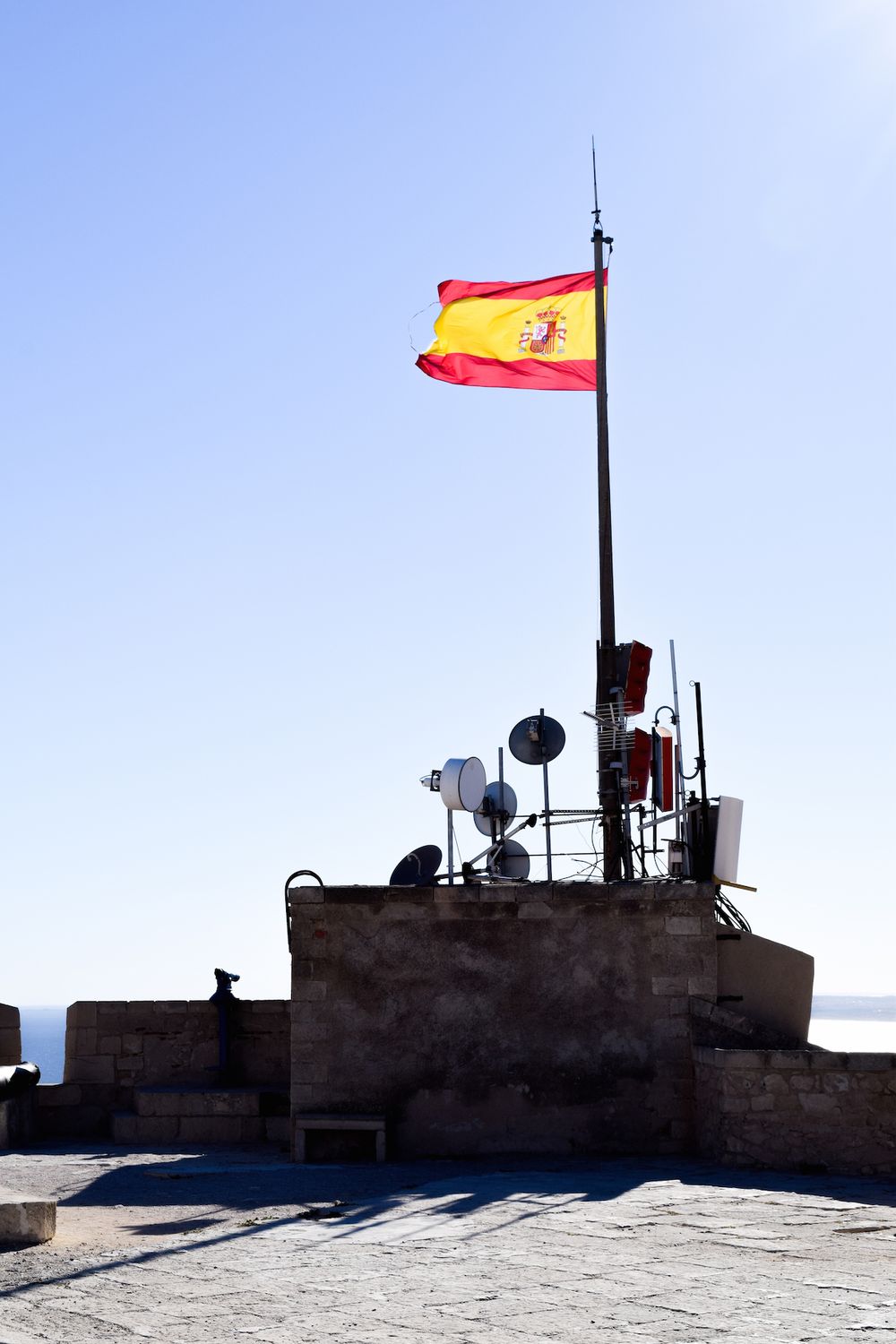
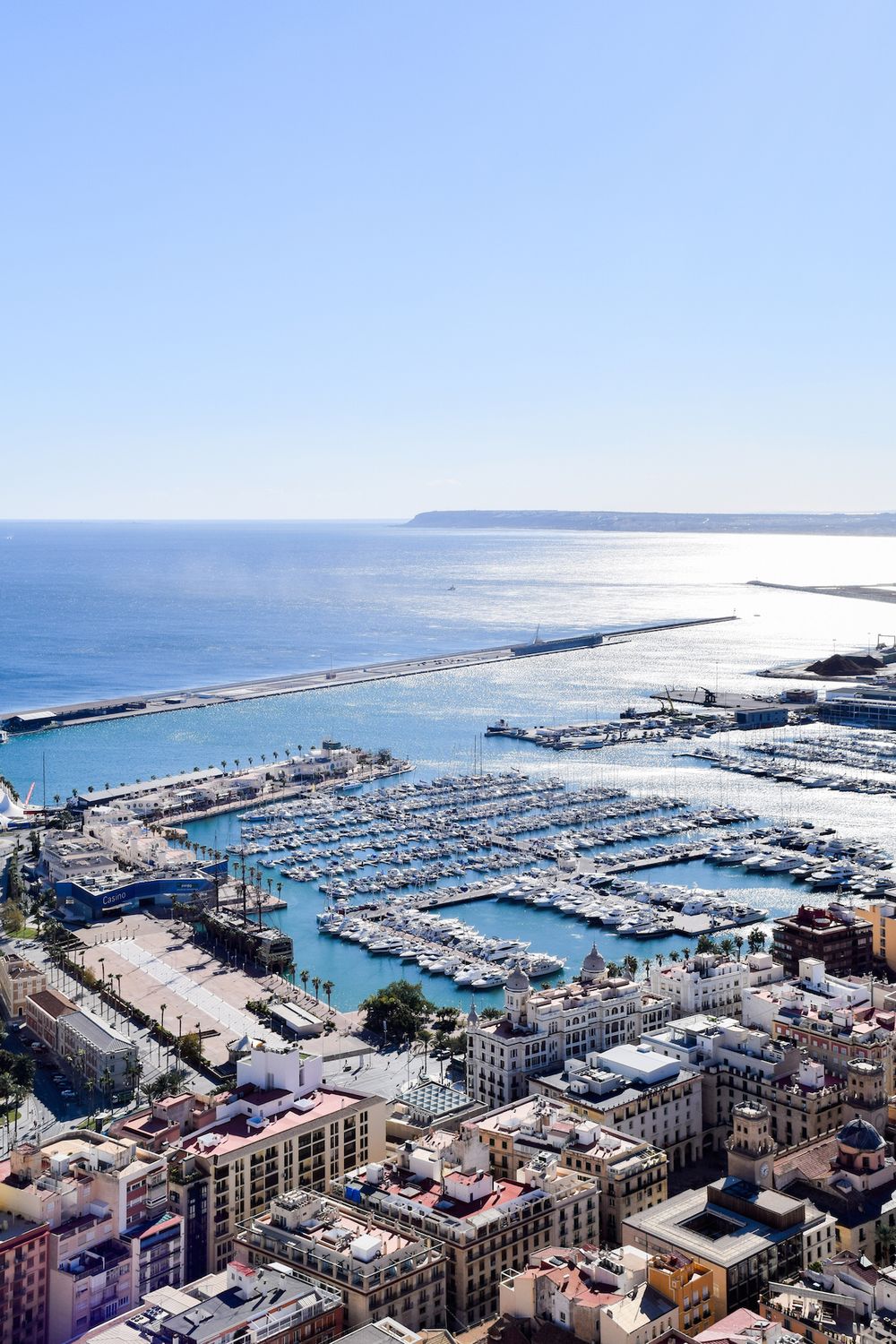
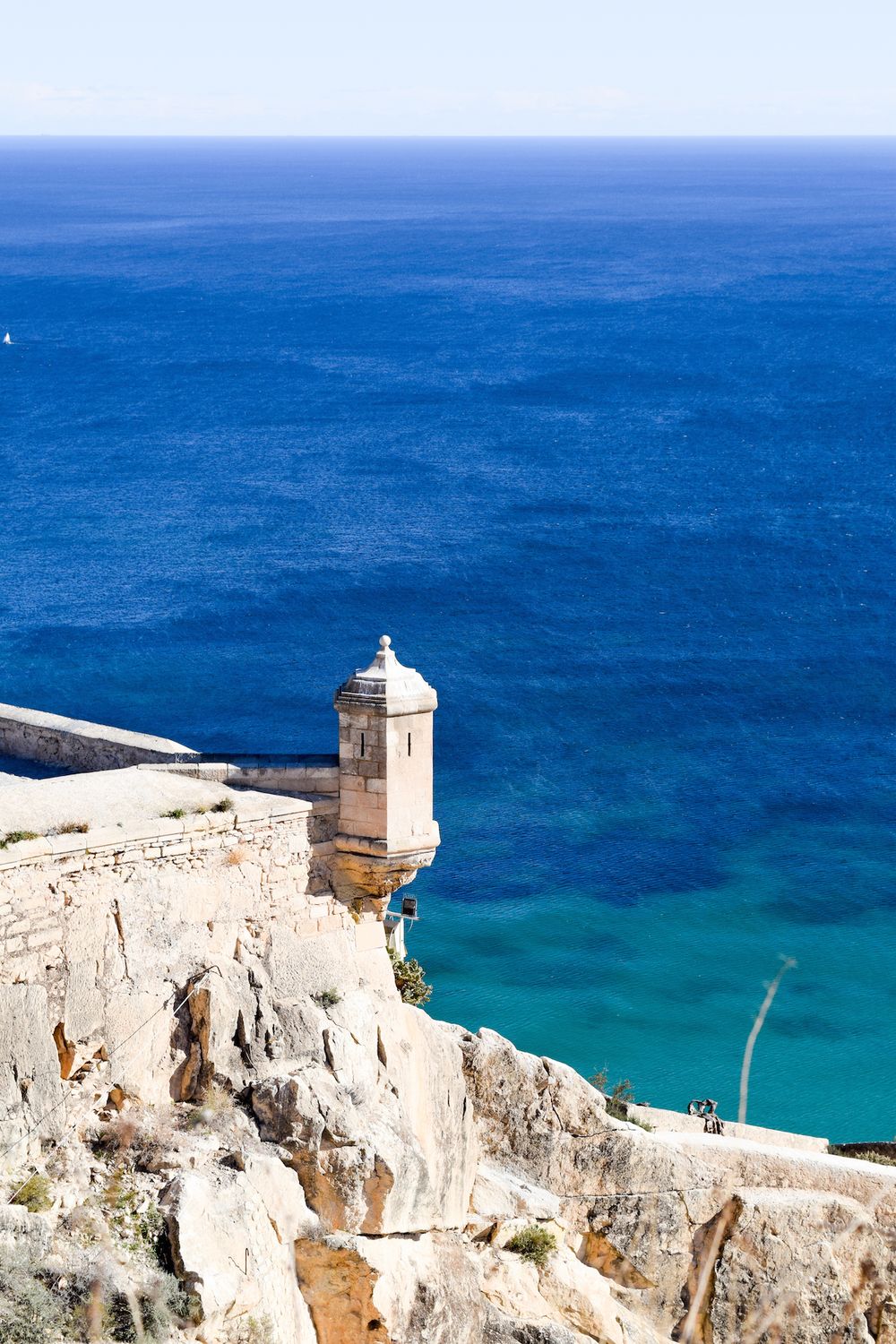
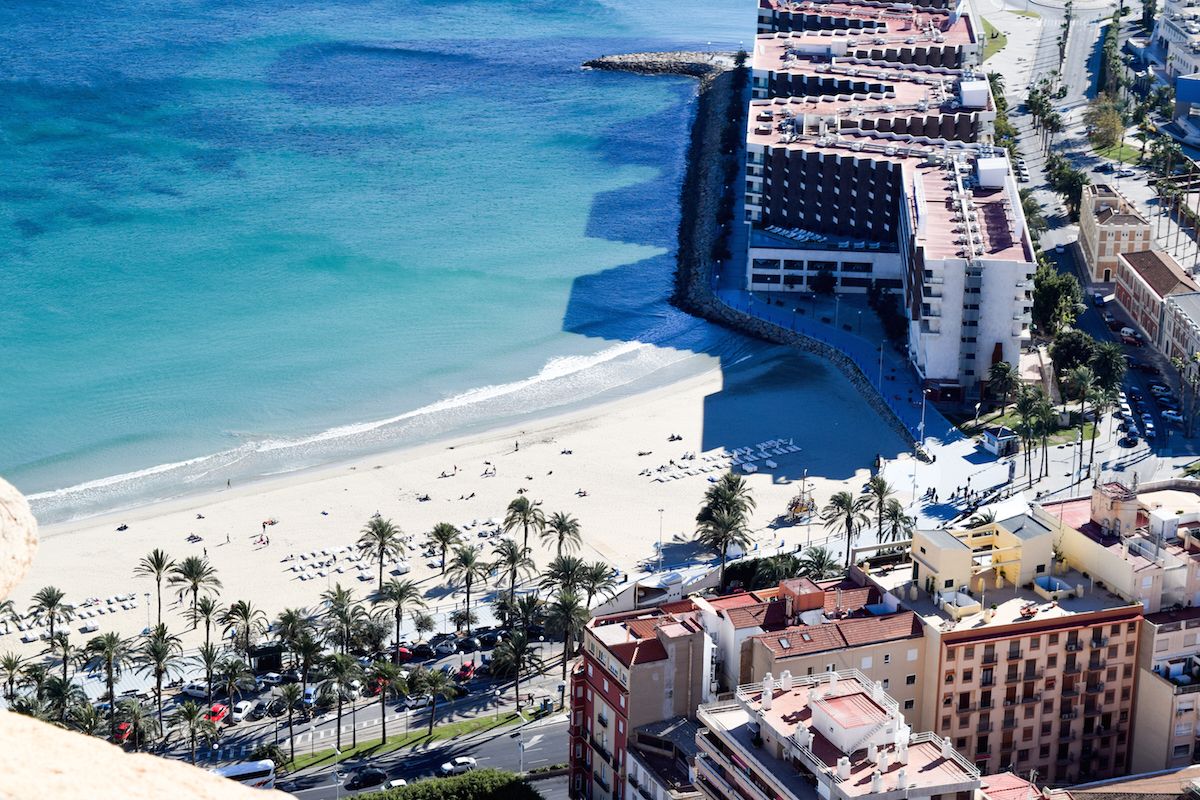
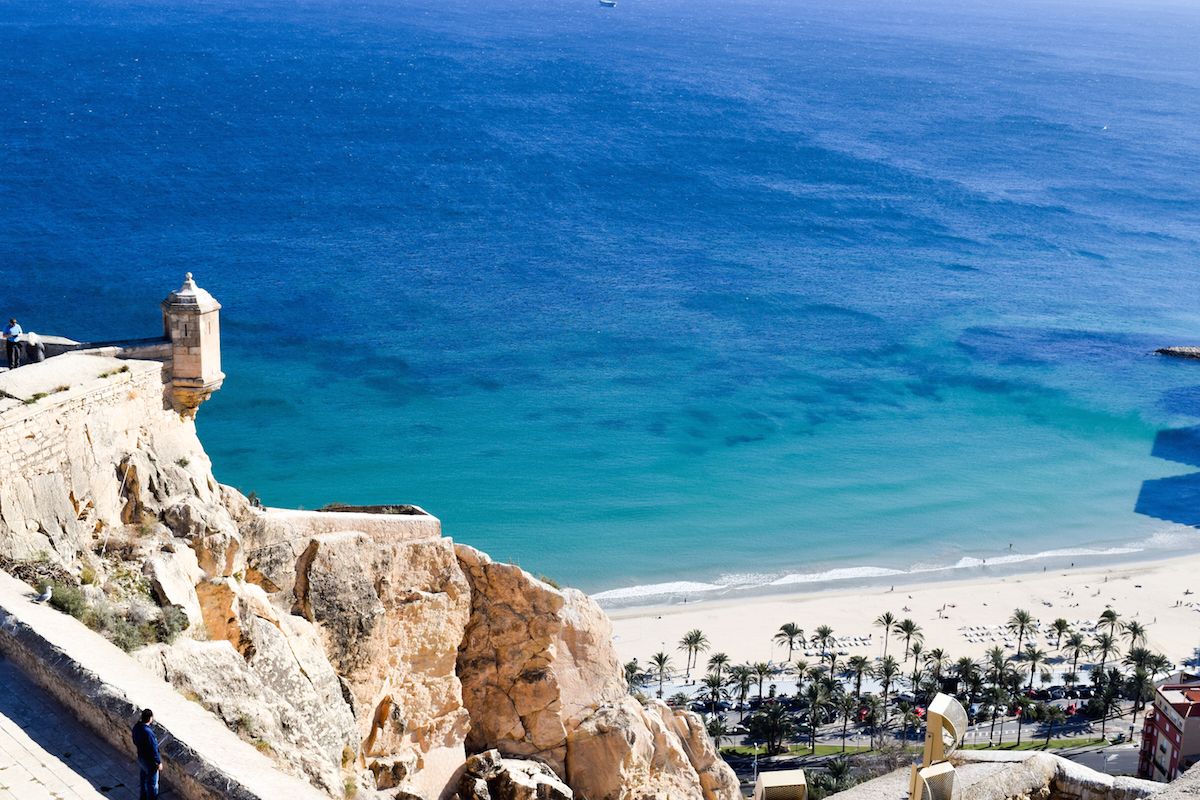
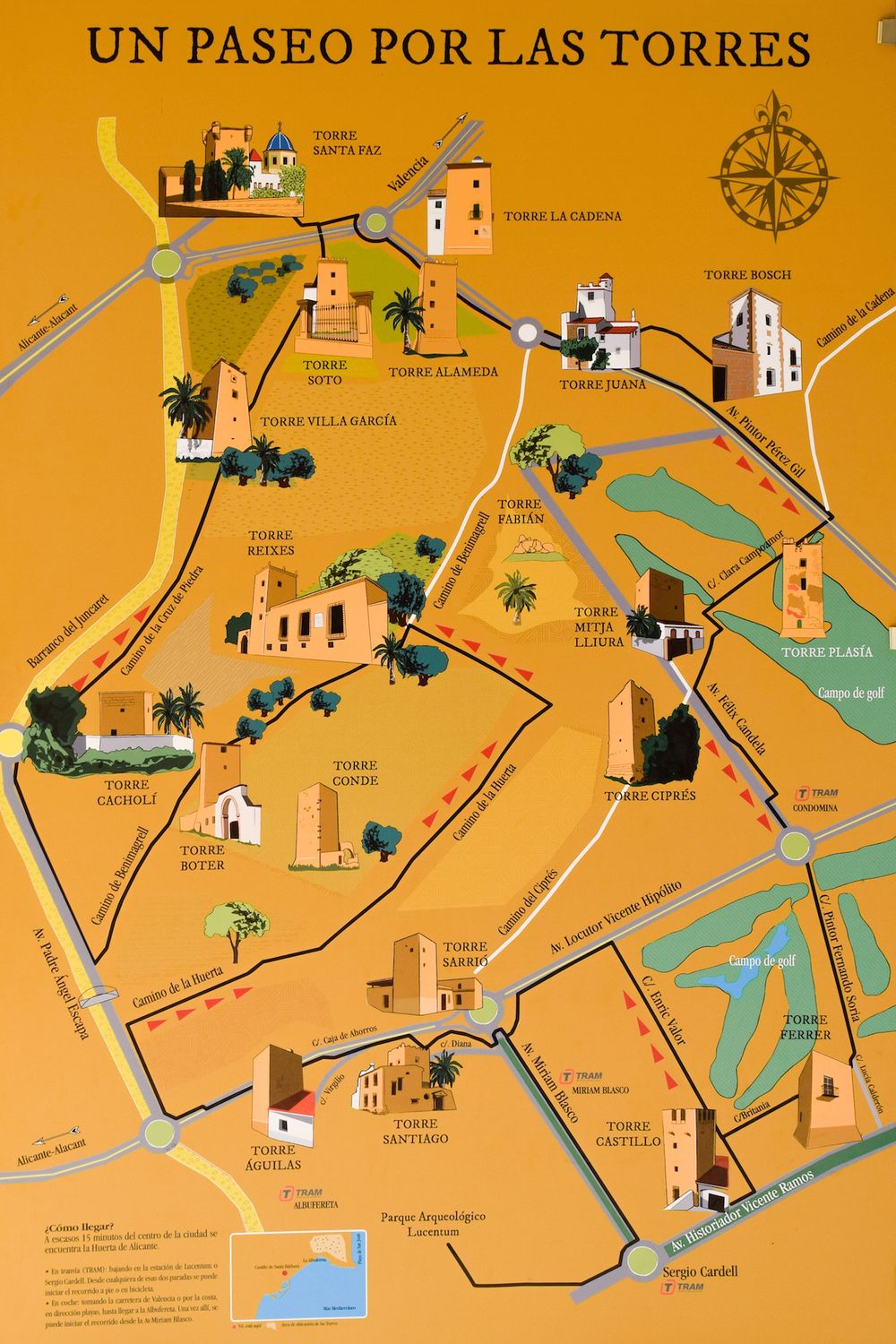
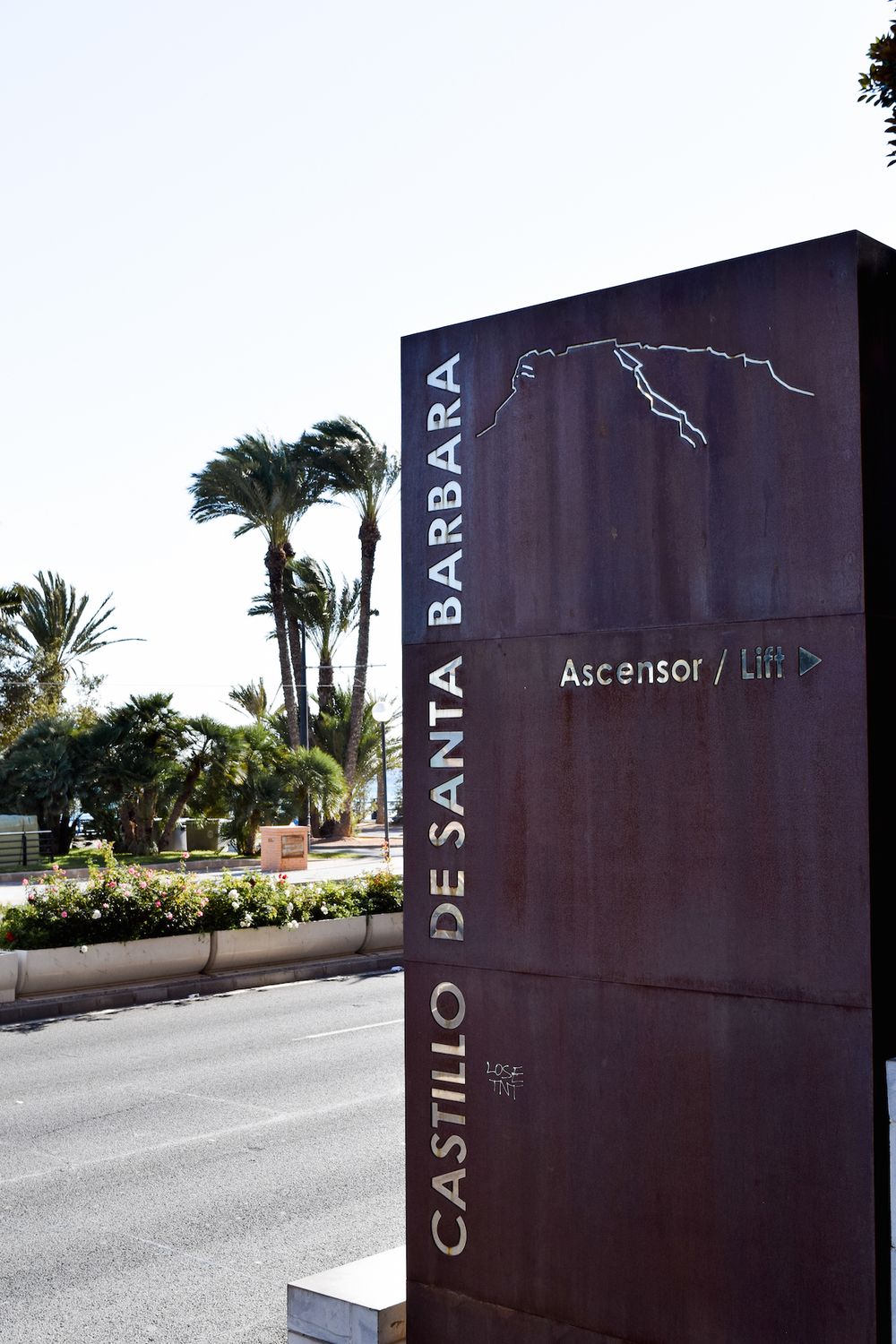
On a bright Tuesday morning, I started out my day looking for the Barrio Santa Cruz and ended up on top of a mountain. It was election day back in the US, and after casting my absentee ballot two weeks prior (travel is a valid reason), all that was left to do was wait for the results.
So as I found myself walking up Calle San Juan, I looked at my Google Map which estimated that the castle on the mountain was just a 12 minute walk away. I had planned to visit another day this week, but since it was so close, I thought why not go right now?
Let’s just say that 12 minutes turned into one and a half hours. Even though I stopped to take photos at the view (twice) there’s no way that hike would have taken 12 measly minutes. In any case, I am so glad I did it because the views were simply incredible! Be sure to wear proper shoes (unlike me in my flats!) as some of the stones are slippery – I would know. (I didn’t fall, I just unexpectedly sat down, ok?)

Your photos are unreal! What do you shoot and/or edit with?
Hi Victoria! I shoot with a Nikon D5300 and edit in Lightroom :)