Arènes de Lutèce: a former Roman amphitheater now park, in Paris

Culture Travel may earn a commission through links on this website. As an Amazon Associate, we earn from qualifying purchases.
The Arènes de Lutèce is an ancient Roman amphitheater located in the Latin Quarter of Paris, France, translating to “Lutetia Amphitheater”. It dates back to the 1st century AD, specifically around 50 AD, when it was originally constructed during the Gallo-Roman period.
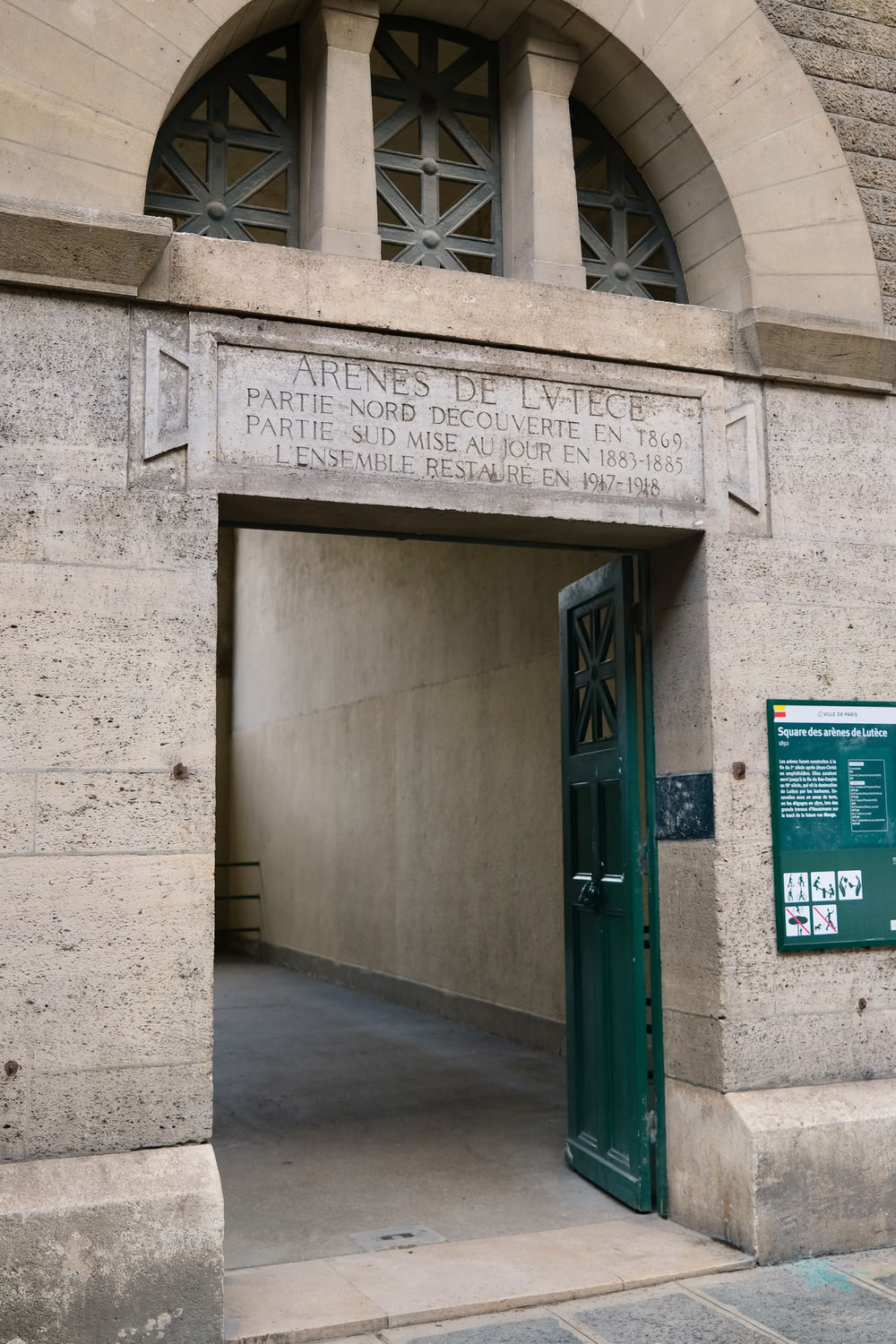
The structure was built in the heart of the Roman settlement known as Lutetia, which is the historical name for Paris.
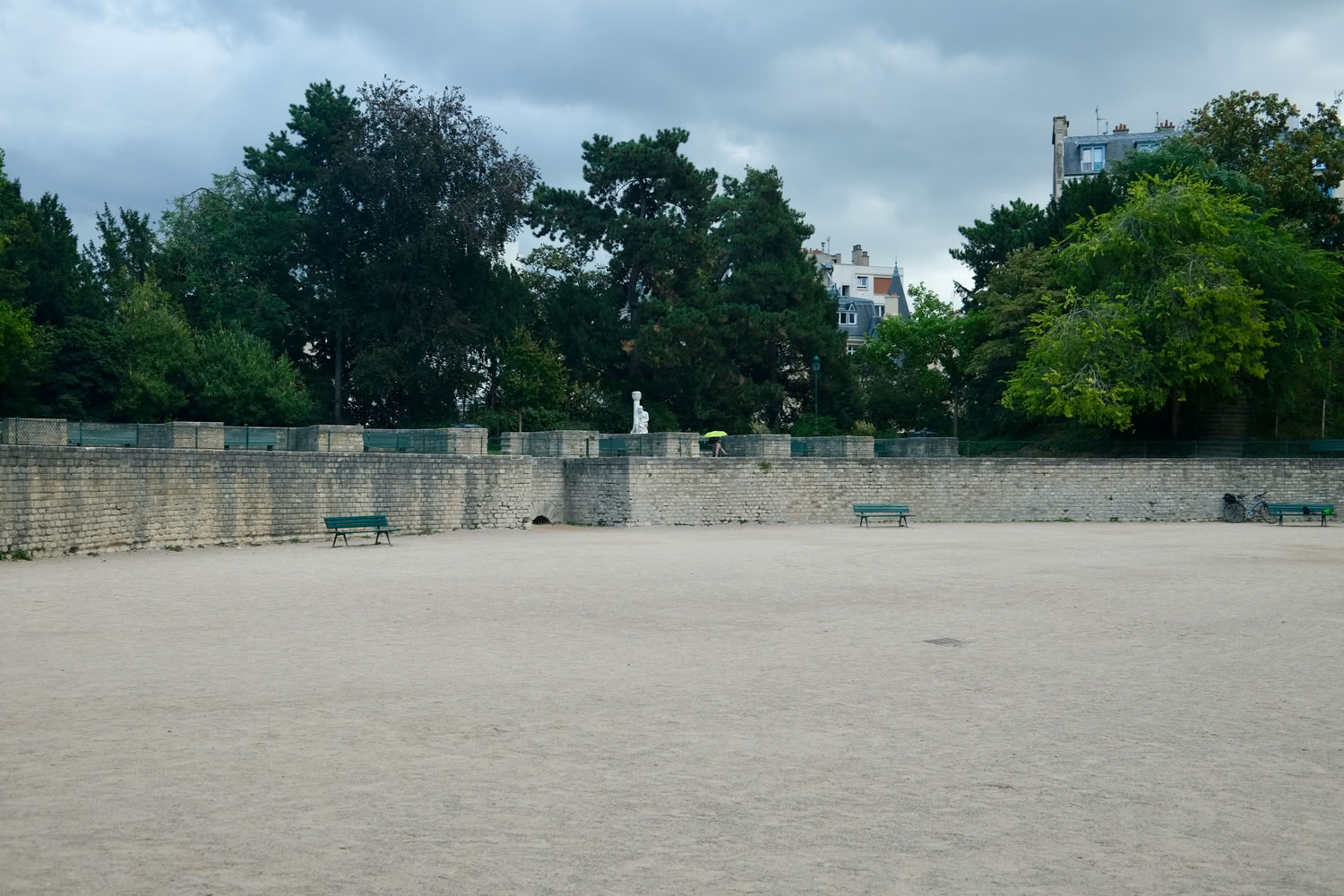
Historically, the Arènes de Lutèce could accommodate around 8,000 spectators and was used for various public spectacles, including gladiatorial contests, theatrical performances, and other forms of entertainment popular in Roman culture.
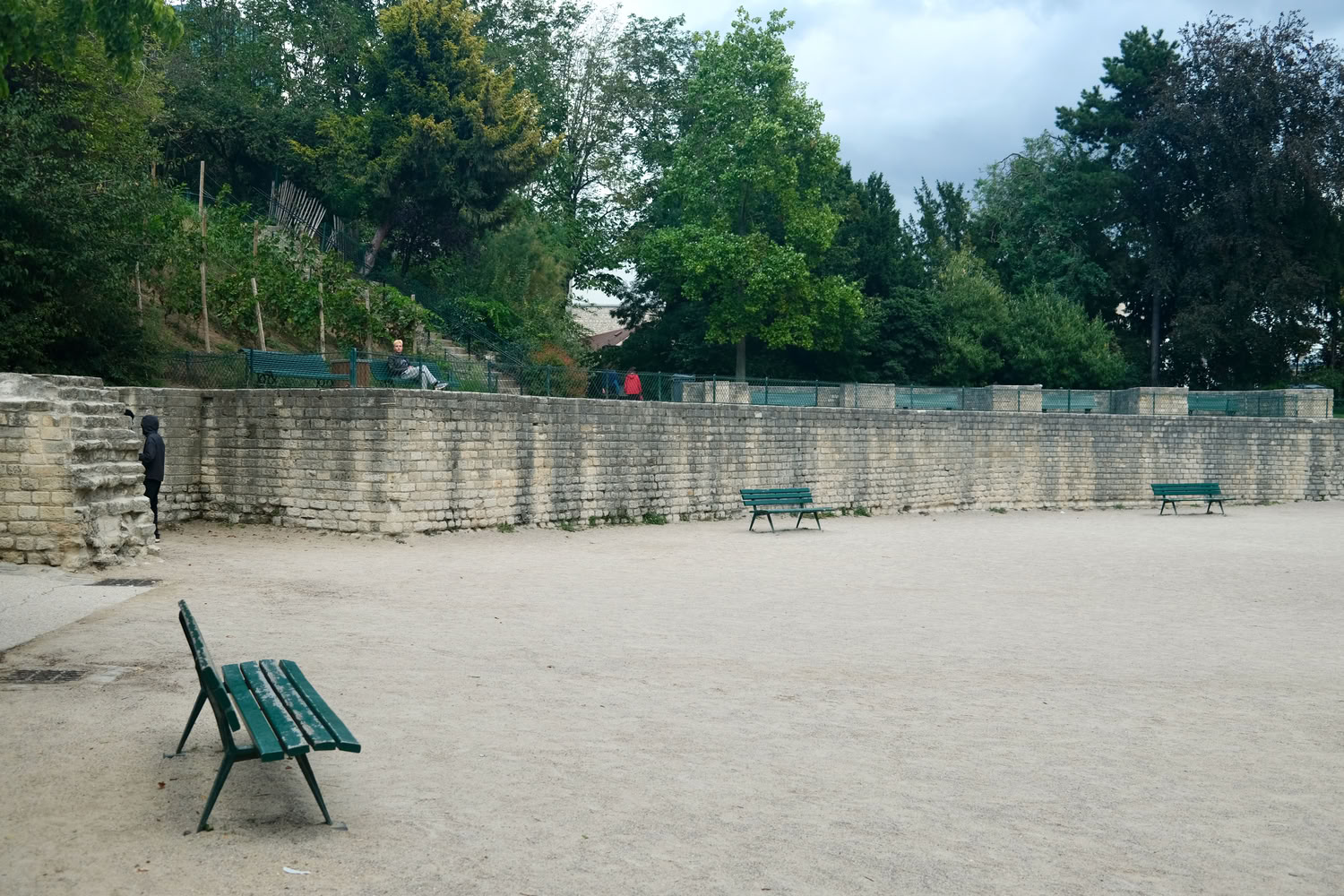
The amphitheater, like many Roman structures, fell into ruin following the decline of the Roman Empire, particularly during the Middle Ages, when much of the city’s Roman infrastructure was neglected or repurposed.
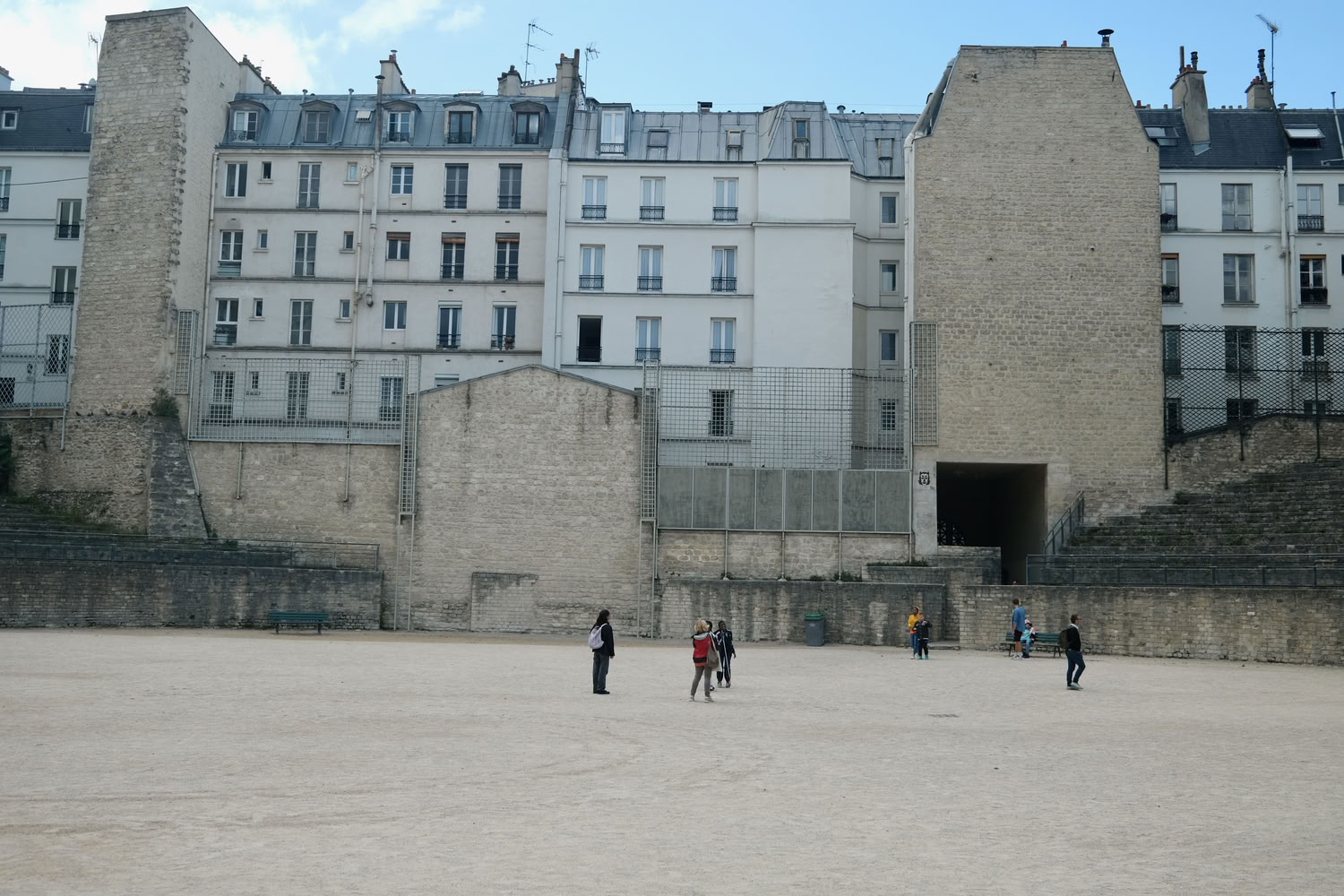
By the 12th century, the site had been largely forgotten and had become partially covered by buildings and residential areas.
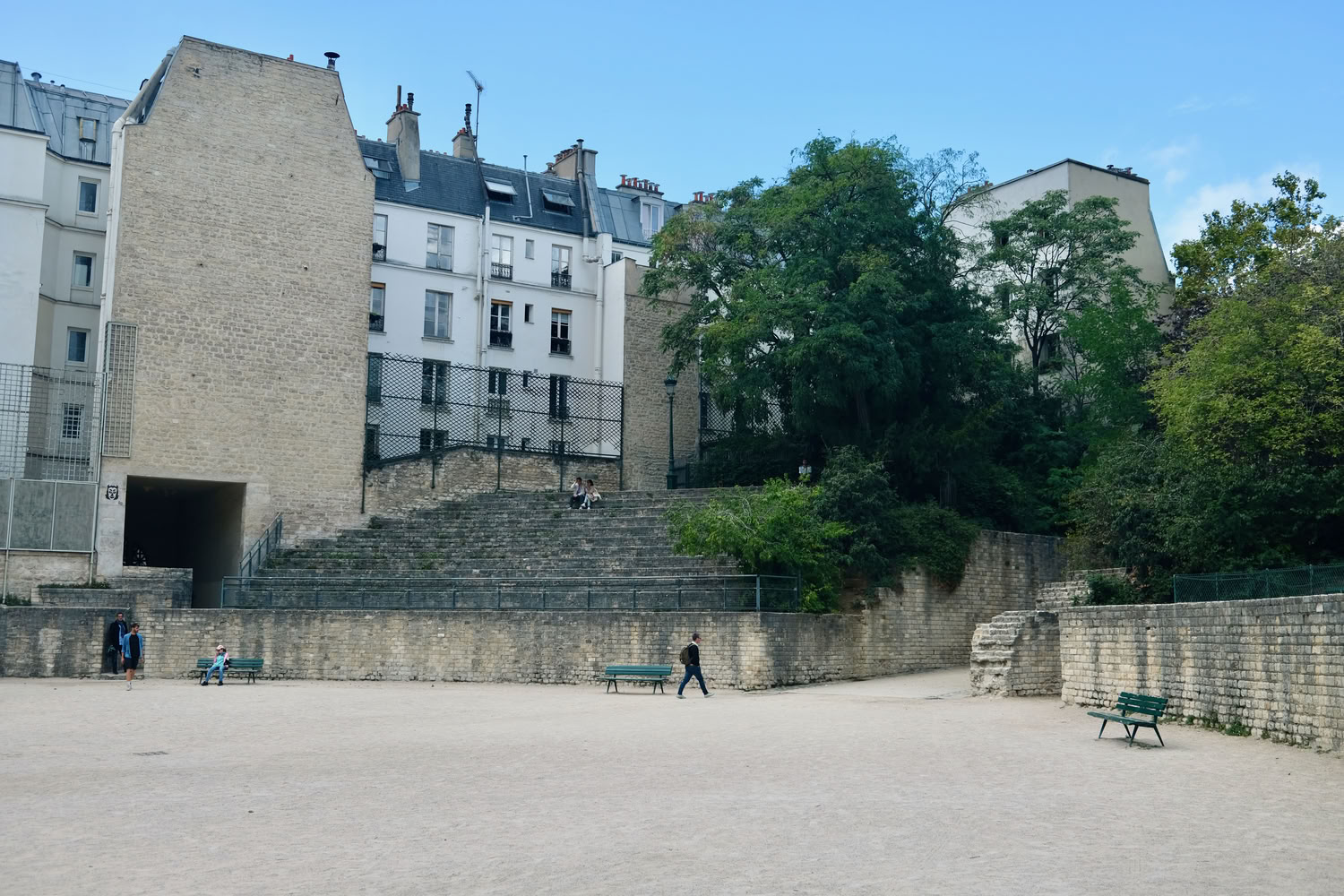
It wasn’t until the 19th century, during an urban renewal effort and archaeological excavations, that the remains of the amphitheater were rediscovered.
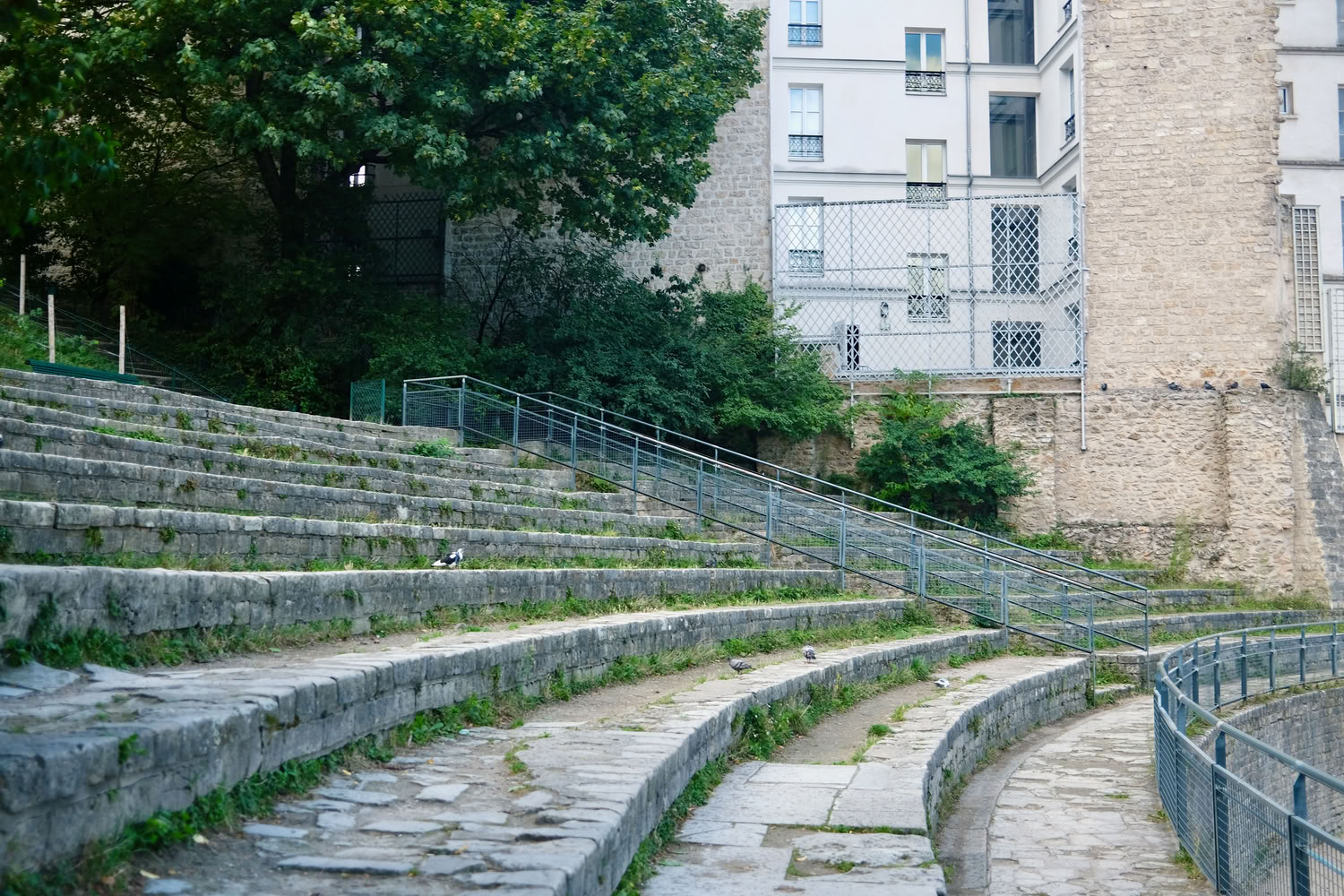
Between 1869 and 1880, significant restoration work was undertaken, allowing the site to be accessible to the public.
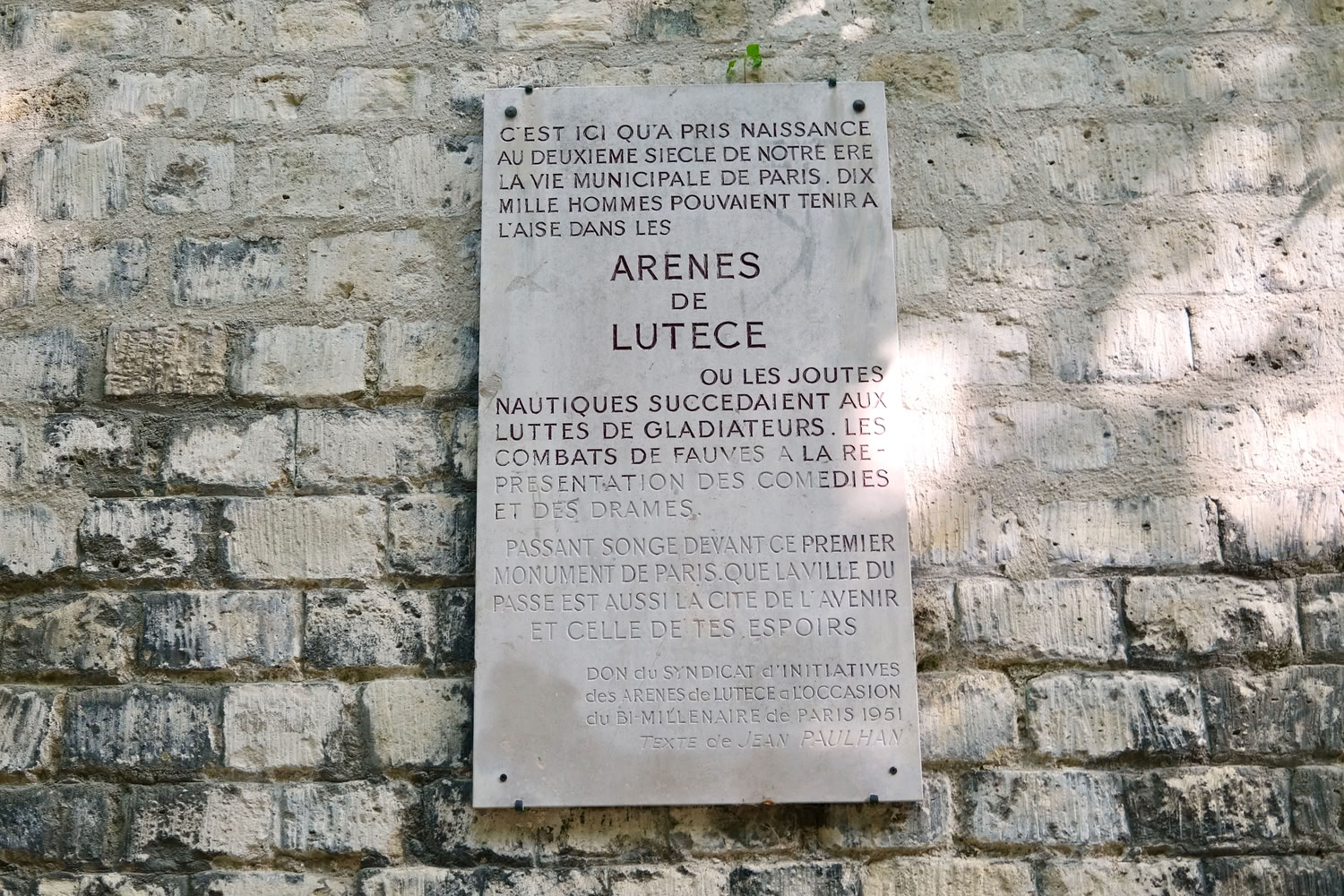
Today, the Arènes de Lutèce is a protected historical site and serves as a public park and venue for cultural events. It stands as a testament to the rich historical legacy of ancient Rome in Paris and is one of the few remaining examples of Roman architecture in the city.
49 Rue Monge, 75005 Paris, France