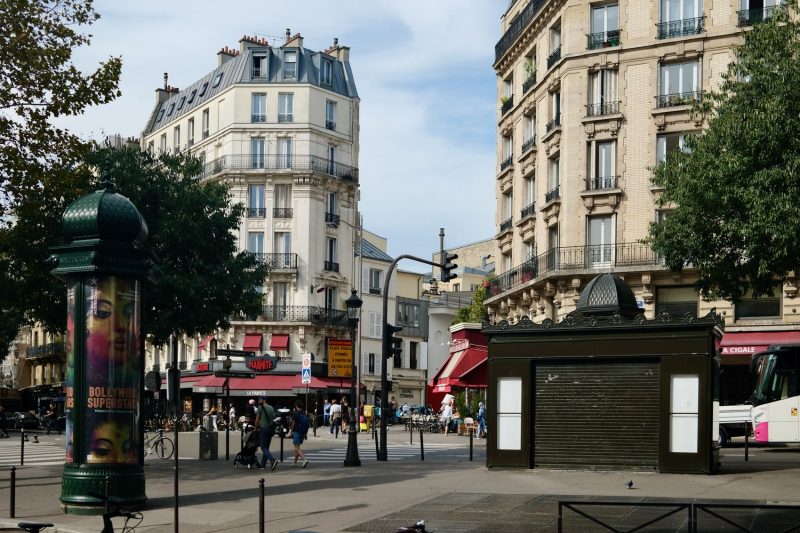
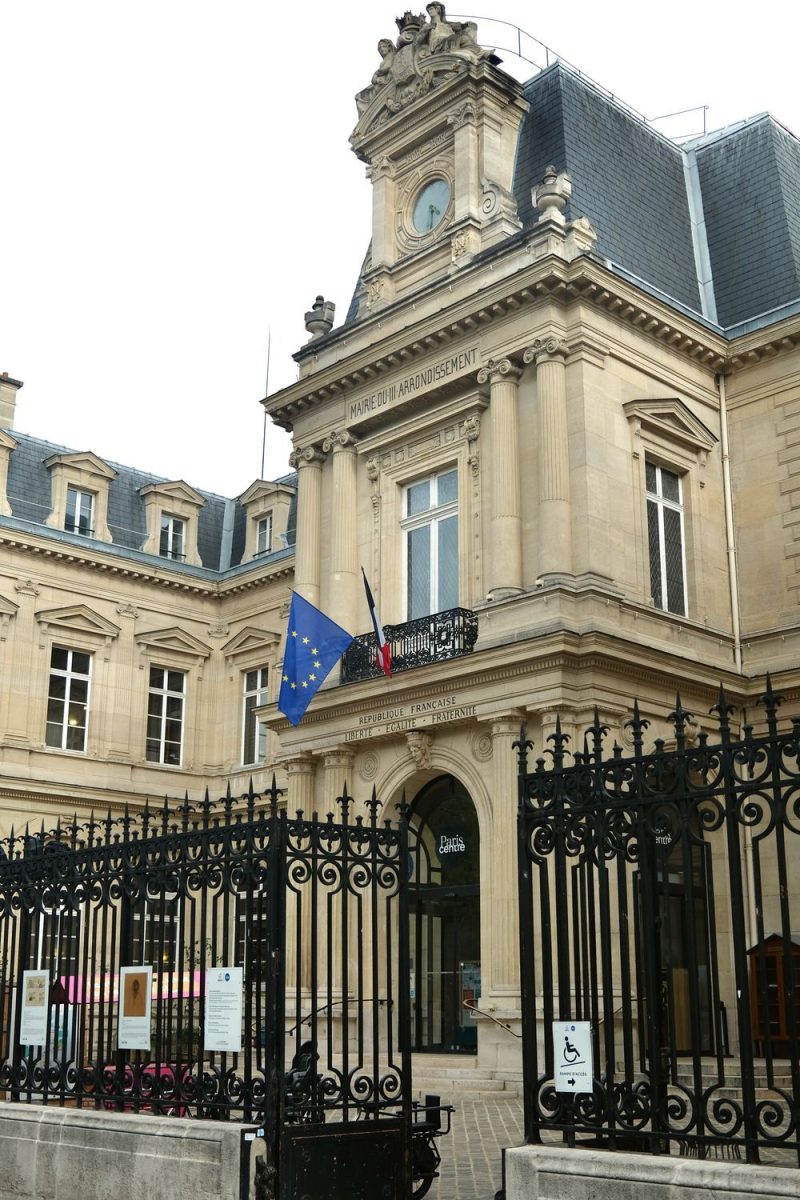
A Quick Guide to the “Bobo” 11th Arrondissement of Paris

Culture Travel may earn a commission through links on this website. As an Amazon Associate, we earn from qualifying purchases.
The 11th arrondissement of Paris, known as “arrondissement de Popincourt,” is a vibrant district located on the Right Bank of the River Seine. Its geographic boundaries are marked primarily by the Place de la Bastille to the south and the Canal Saint-Martin to the north, extending eastward toward the neighborhoods of Ménilmontant and Bastille.
The 11th arrondissement is situated roughly in the middle of Paris, bordered by several other arrondissements, notably the 10th to the north, the 12th to the southeast, and the 20th to the east. One notable location in the 11th is “Place de la Bastille,” which can be used as a primary address reference for this arrondissement.
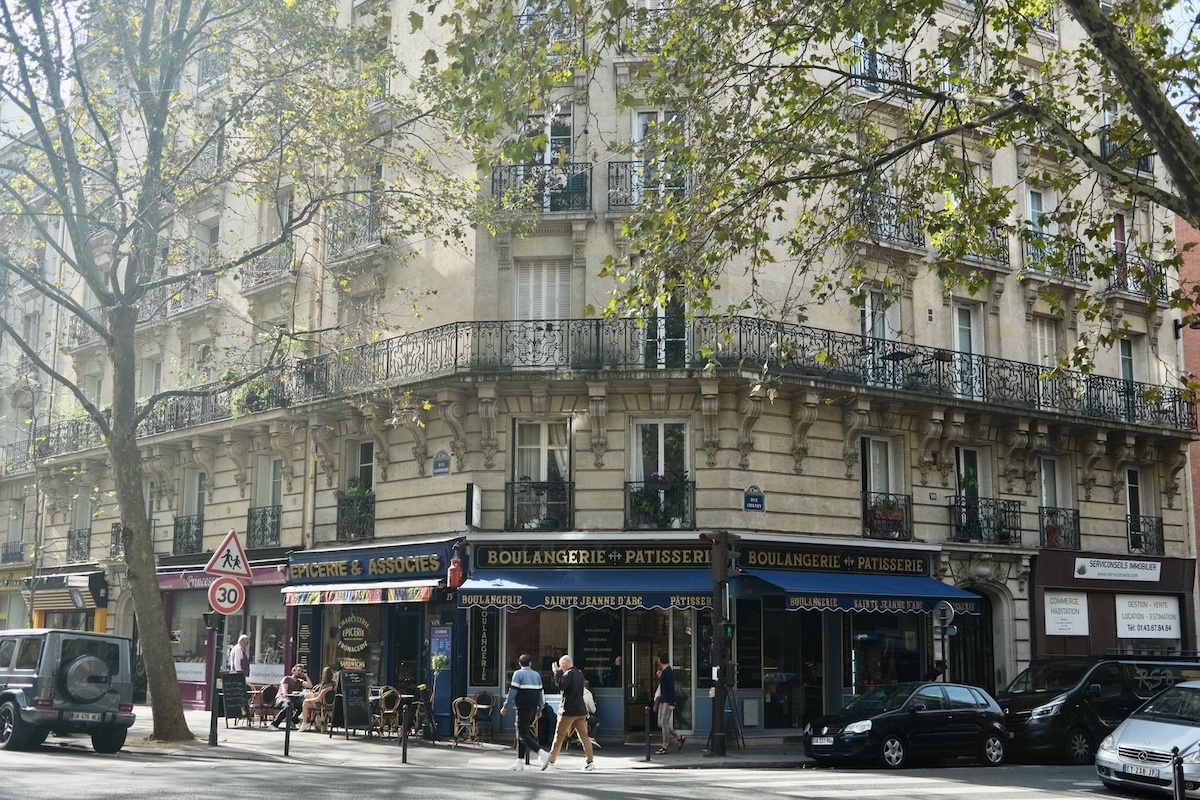
History
Historically, the area that is now the 11th arrondissement has seen considerable transformation. In the late 17th century, it was primarily rural, but this changed dramatically in the subsequent centuries. The arrondissement was officially created in 1860 when the city of Paris was extended. Prior to this, much of the land was considered part of the village of Popincourt, which existed in the vicinity.
One significant historical event that took place in this arrondissement is the Storming of the Bastille on July 14, 1789, which occurred nearby at the east end of Rue Saint-Antoine. Initially known for its working-class population, the 11th became a center of revolutionary activity during the French Revolution and has long been associated with social movements and radical political ideas.
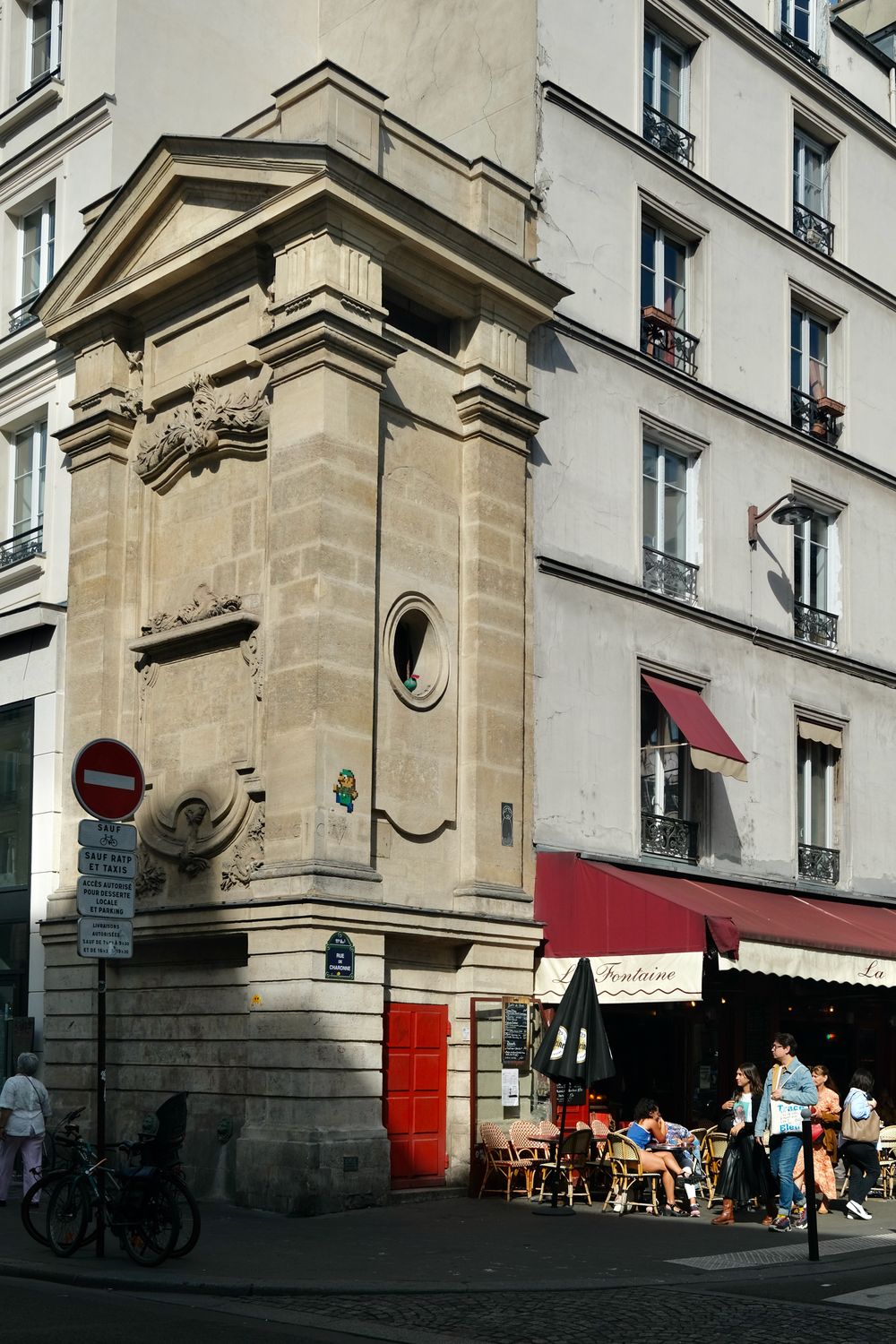
In the 19th century, the 11th arrondissement developed significantly as it became a hub for the Industrial Revolution, with factories and workshops proliferating. Many immigrants settled here, contributing to its cultural diversity. B
y the early 20th century, particularly in the Belle Époque era, the area transformed into a neighborhood with a bohemian atmosphere, attracting artists, musicians, and writers.
Today, it’s an expensive “bobo” area for wealthy, yet artistic Parisians.
In French slang, “bobo” (short for bourgeois-bohème, or “bourgeois bohemian”) refers to a socio-economic group of affluent, well-educated, urban people—often in cities like Paris—who combine a comfortable bourgeois lifestyle with bohemian or progressive values. They typically hold left-leaning political views (e.g., supporting ecology, organic food, and cultural trends), while enjoying material privileges.
During the 20th century, particularly during the upheaval of May 1968, the 11th arrondissement remained a focal point for protests and revolutions.
More recently, it was also impacted by tragic events, such as the November 2015 Paris attacks, which included the Bataclan theater, highlighting the ongoing political and cultural relevance of this district.
Atmosphere
The arrondissement is also notable for its nightlife and dining scene. It has long been a center for cafés, bars, and theaters—exemplified by the lively Rue Oberkampf and Rue de la Roquette. The area around the Bastille Opera, conceived for the 1989 bicentennial of the Revolution, has become an attractive venue for French culture.
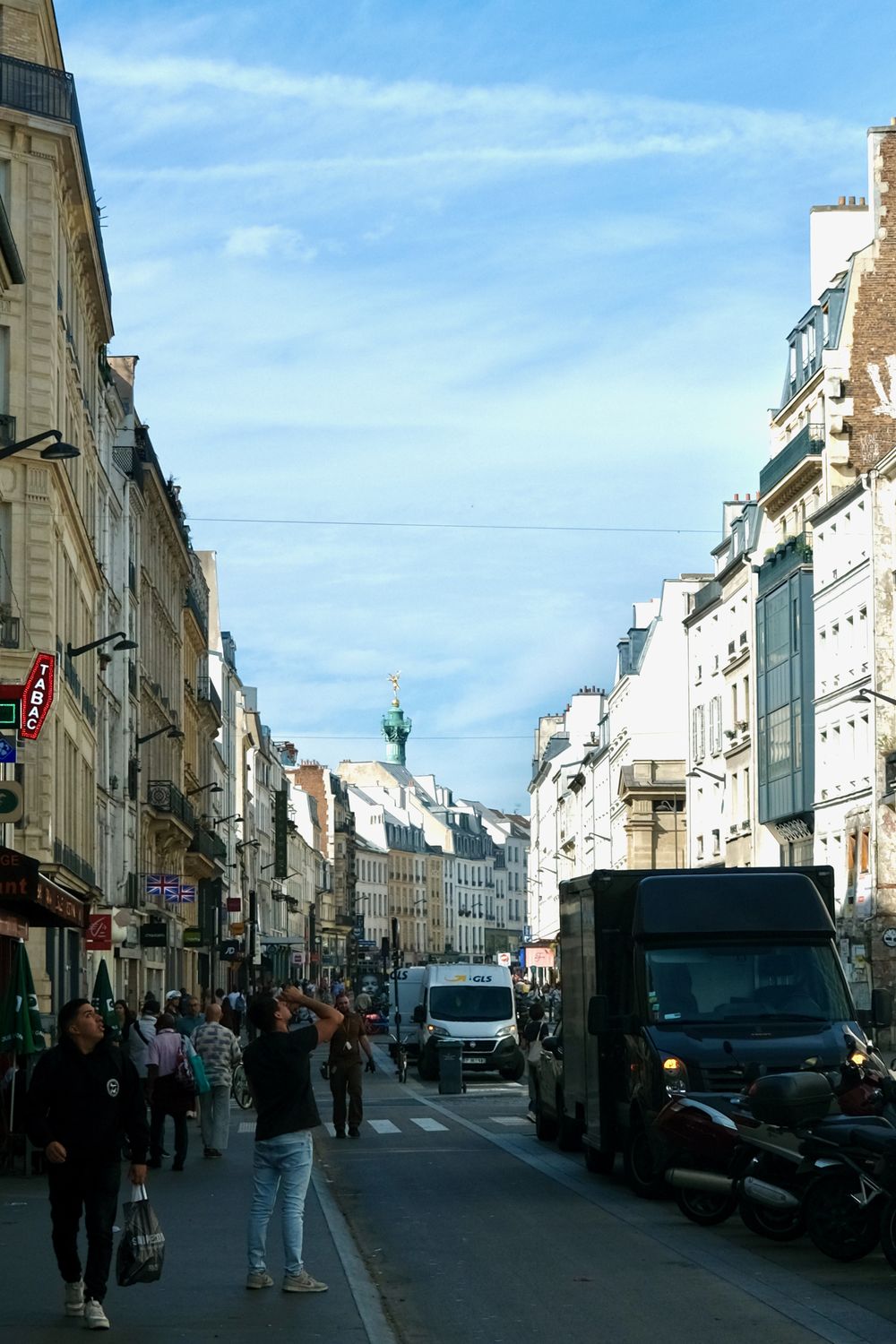
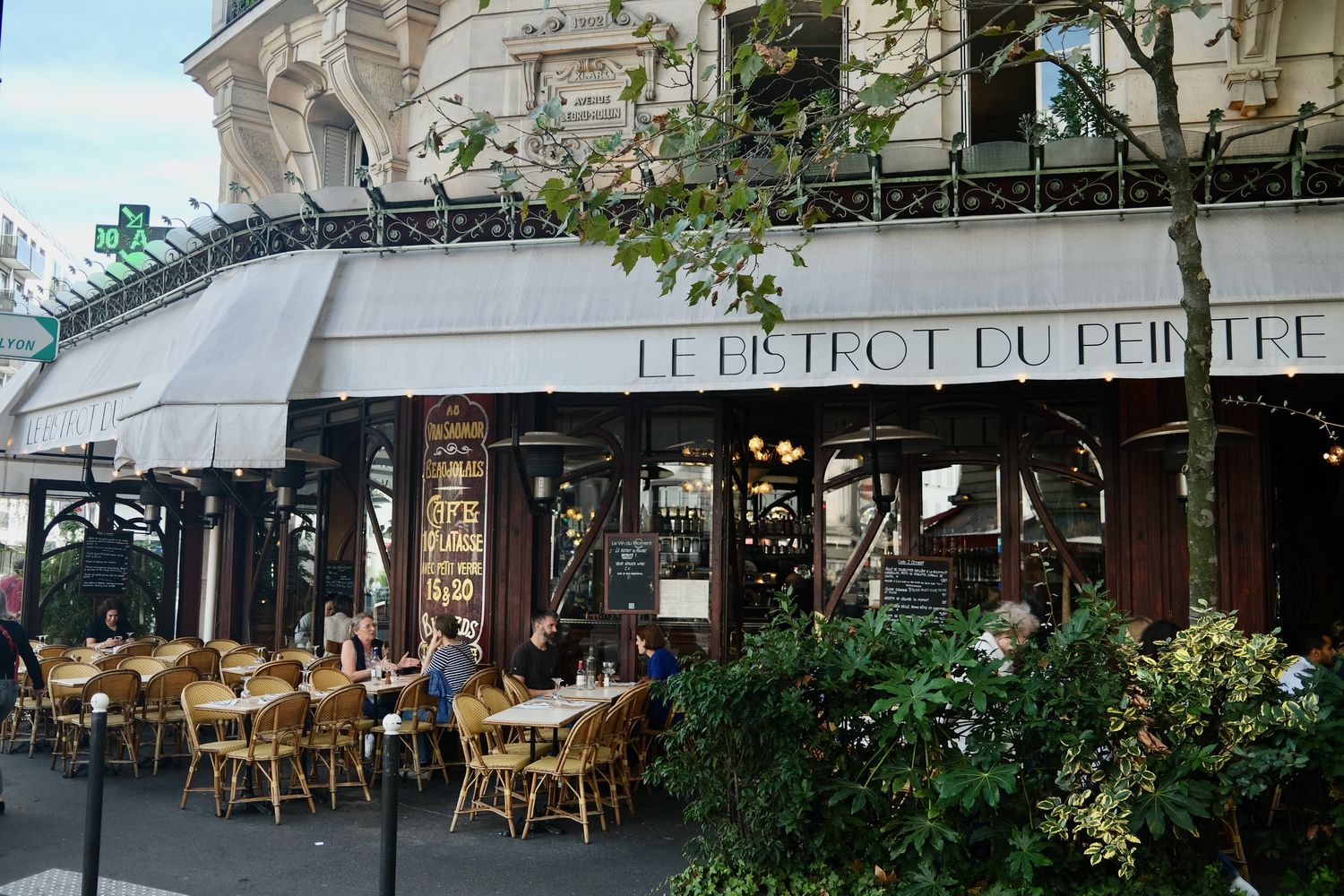
The 11th arrondissement is characterized by a mix of historic architecture, a thriving multicultural community, and a lively arts scene. It remains a dynamic part of Paris, known for its trendy bistros, concerts, theaters, and vibrant street life.